When the Fence Faces Inward: Boundaries That Let Horses Stay Horses

Hook
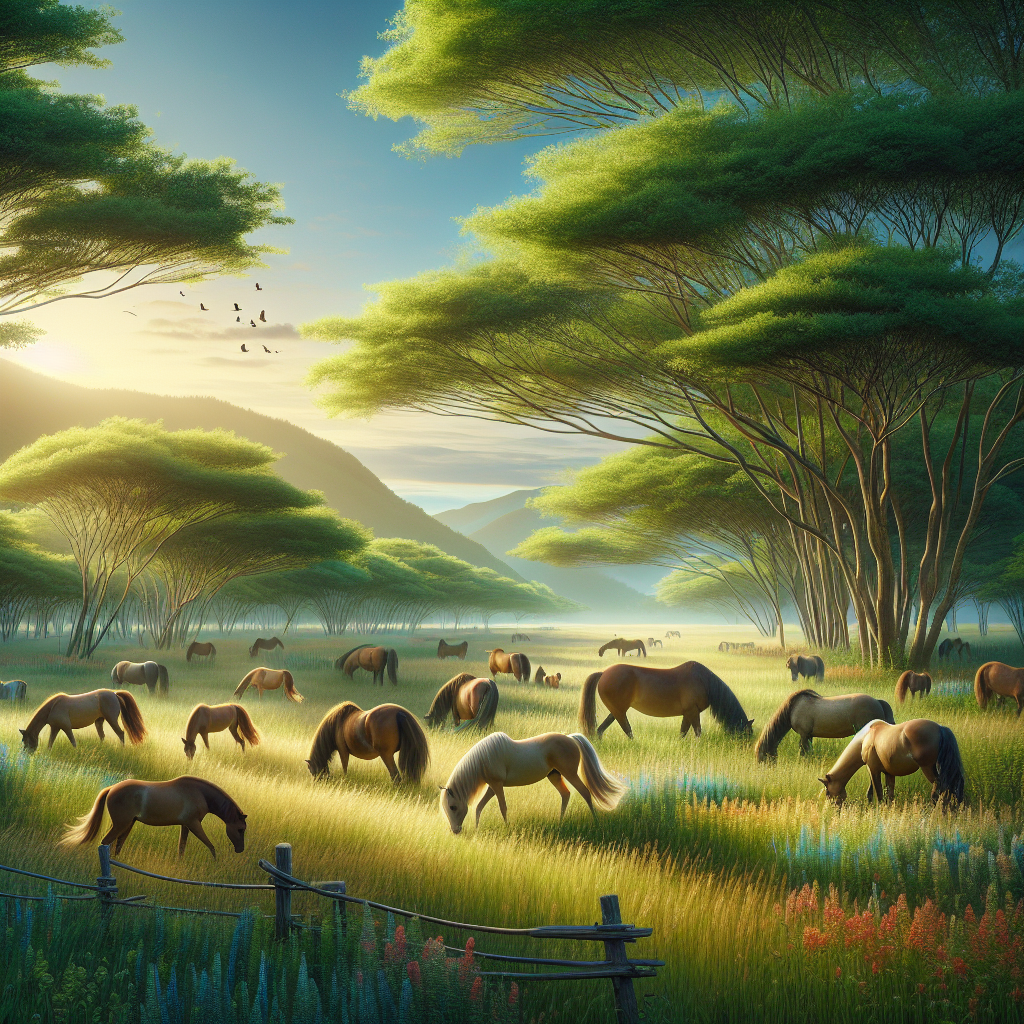
What if a boundary isn't something you construct to contain horses, but something you establish to remind yourself where you stop—and where their territory starts? For us, the most unexpected transformation occurred when we gave the horses access to most of the property and enclosed just a small zone around our home. It can appear as though we are the ones living "contained," while the horses roam through what seems like the true estate.
That one decision alters the whole character of living together. It transforms boundaries from an instrument of dominance into an expression of respect.
1) Boundaries as an Agreement, Not a Cage
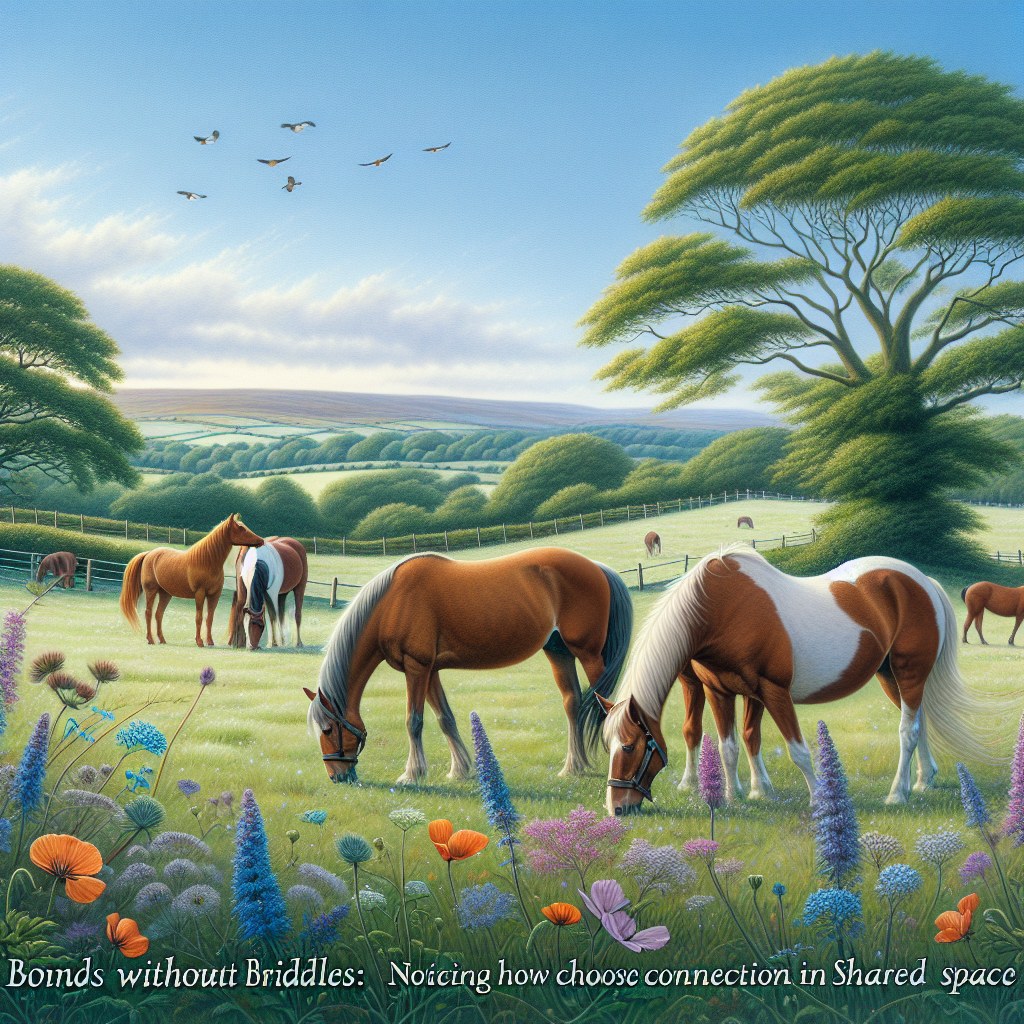
In most settings, horses are confined to tiny stalls and restricted areas. We chose the reverse approach: the majority of the property belongs to the horses. The fence beside the house establishes a distinct line, but it's a line that safeguards human territory rather than restricting the horses' existence.
This represents a different type of boundary. It doesn't say "you are restricted." It says "this section is ours, and everything else is yours." The emotional impact of that is unmistakable. Horses don't have to navigate tight spaces all day long. Humans aren't perpetually entering the horses' territory to control every action. Both parties have space to exist.
Even absent riding or training, this is significant. Living together shifts from being about guiding behavior to establishing circumstances where behavior can develop organically.
2) The Small Human Zone: A Quiet Shift in Power
Erecting a fence around the human space appears almost comical initially—as if we chose to "confine ourselves." But that is exactly what makes it significant. It's a tangible reminder that humans don't need to be central to every choice.
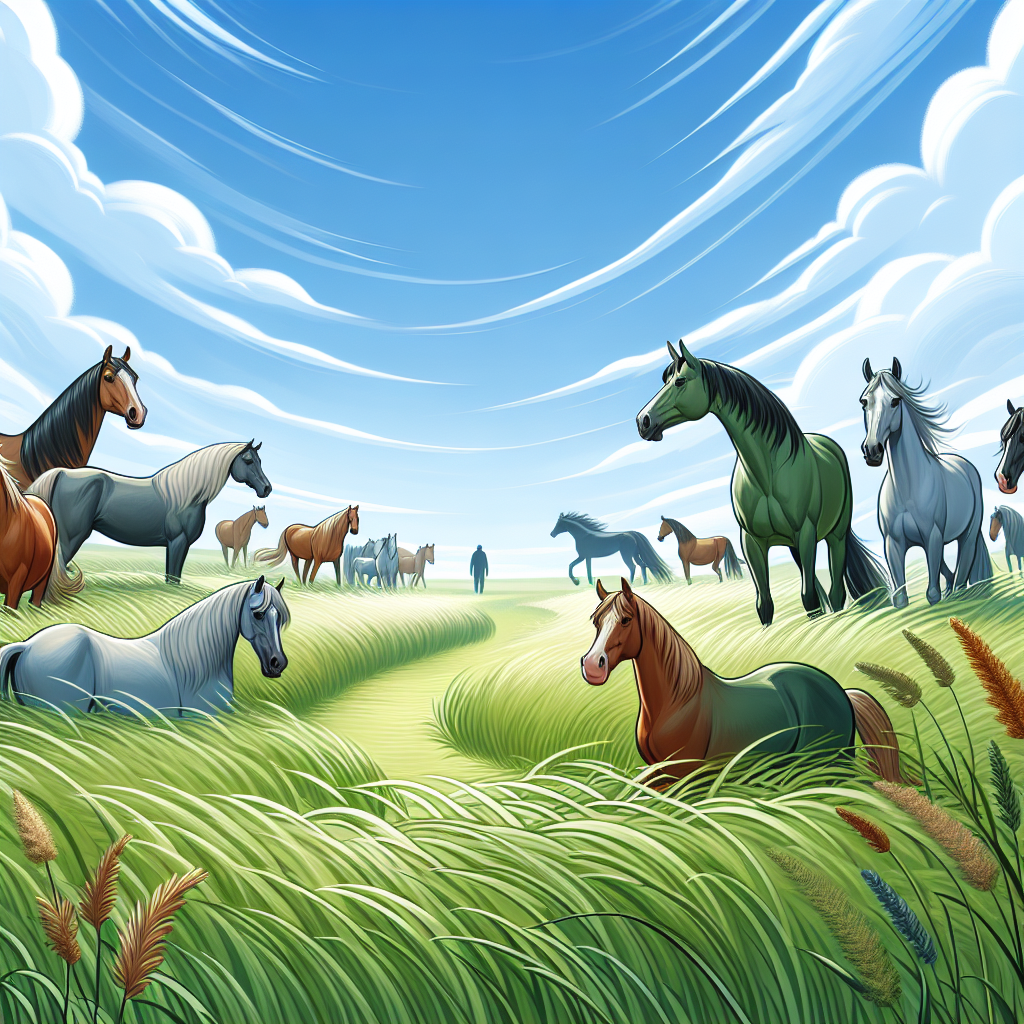
With the horses occupying the greater territory, the everyday dynamic shifts. Rather than horses being visitors in a human-controlled facility, humans become thoughtful guests in a horse-dominated environment. That alters how you move, how you wait, and how you select your opportunities.
A boundary of this nature also stops continuous boundary violations. The horses don't need to be chased from every entrance. The humans don't need to intrude on the horses' living area to oversee everything. The fence silently accomplishes what constant corrections would otherwise achieve—without transforming the relationship into a string of conflicts.
3) Feeding Boundaries: Time Clocks vs. Foraging Space
Boundaries aren't solely constructed from wire and posts. They also appear in routines.
Regarding feeding, I steer clear of rigid feeding schedules. Rather, I work to promote natural grazing behavior. That decision is a boundary against a human tendency: the desire to impose a schedule on a horse's appetite.
A scheduled routine can make humans feel in control, but it can also fit the horse's day into human preferences. By moving away from set feeding times, the boundary transforms. The horse gains more chances to follow its own food-seeking patterns, instead of anticipating a predictable occurrence that happens on our timeline.
This isn't about ignoring proper care. It's about preserving a portion of horse-life that is frequently eliminated: the capacity to navigate food choices in a manner that mirrors authentic foraging instead of "scheduled meals."
4) A Landscape of Choices: Diverse Hay and Wild Herbs
Another boundary consideration is: where does human authority stop regarding nutrition?
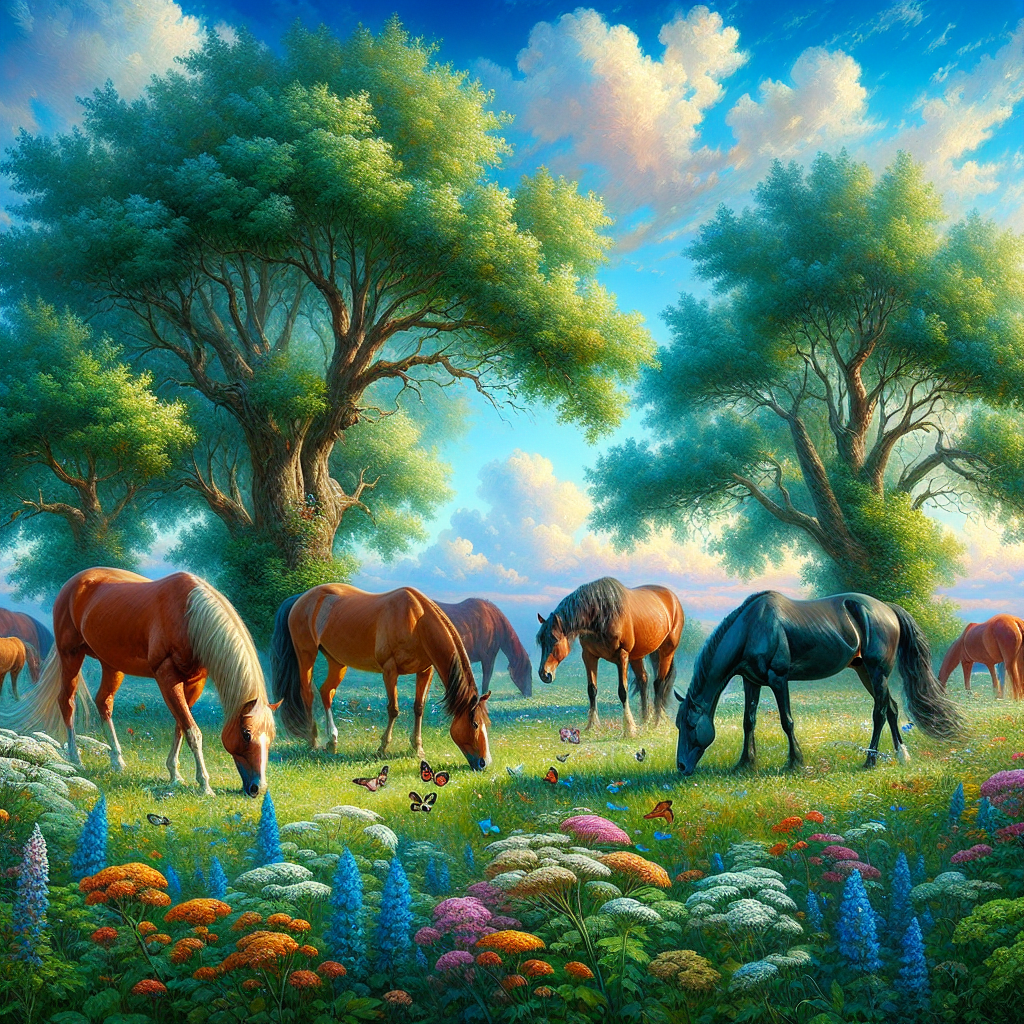
My goal is to create a setting where horses can access various hay types and wild herbs, allowing them to naturally choose the nutrients their bodies require. That represents a boundary against the notion that humans must determine every aspect of what a horse's system needs.
The practical implementation is straightforward: availability and options. The underlying significance is profound. Rather than viewing a horse as a mechanism receiving standardized input, the setting transforms into a sort of accessible larder. Horses can navigate between choices and react to what their bodies request.
When you share your life with horses without riding or training, food becomes one of the most personal ways you influence their existence. Providing variety is a way to communicate: "I will ensure resources are available, and you will determine how to utilize them." That is shared living in its most tangible expression.
5) Holding the Line Without Domination
Numerous human-horse connections are founded on direction: do this, avoid that, move here, remain there. When you eliminate riding and training from the picture, boundaries remain important—but they can grow quieter and simpler.
The fence surrounding the home zone serves as one illustration: it enables a consistent separation without constant pushing and resistance. Feeding without rigid schedules is another: it keeps the day from being divided into human-imposed control moments. Offering various hays and herbs establishes yet another: it curbs the human inclination to over-determine.
In this method, "maintaining a boundary" doesn't mean intensifying pressure. It means structuring the environment so fewer disputes emerge initially. It is less about claiming territory and more about defining territory.
The horses don't require confrontation at every instance. The humans don't need to demonstrate dominance. The boundary stands, and life can move around it.
6) Coexistence as Design: What You Protect, You Reveal
Every boundary exposes what you are attempting to safeguard.
When horses are confined to small enclosures, the underlying priority can become clear: the human arrangement takes precedence, and the horse is molded to fit it. When the majority of the property is available to the horses and the humans occupy the smaller fenced section, the priority reverses. The horse's realm becomes the primary landscape, and the human dwelling becomes a bounded corner.
When feeding follows a strict timetable, the human agenda becomes the structure. When feeding centers on natural grazing, the horse's rhythm becomes the structure. When the diet is reduced to a single choice, human certainty becomes the structure. When you offer access to varied hay and wild herbs, the horse's instincts become part of the structure.
These aren't grand statements. They are everyday design decisions. But gradually, they construct a relationship where horses are permitted to be horses—without the perpetual weight of human expectations.
Closing
Boundaries are inescapable in communal living. The question is whether they serve to squeeze a horse into a human way of life, or to establish a considerate intersection where both species can find ease.
Sometimes the most significant boundary is the one that faces inward: a fence that shields the dwelling, so the horses can retain the property. Sometimes it's as understated as declining to put appetite on a timetable. And sometimes it appears as hay selections and wild herbs—an opportunity for horses to select, rather than merely accept.
Shared existence, without riding or training, can be founded on this idea: establish boundaries that bestow liberty, not boundaries that require submission.