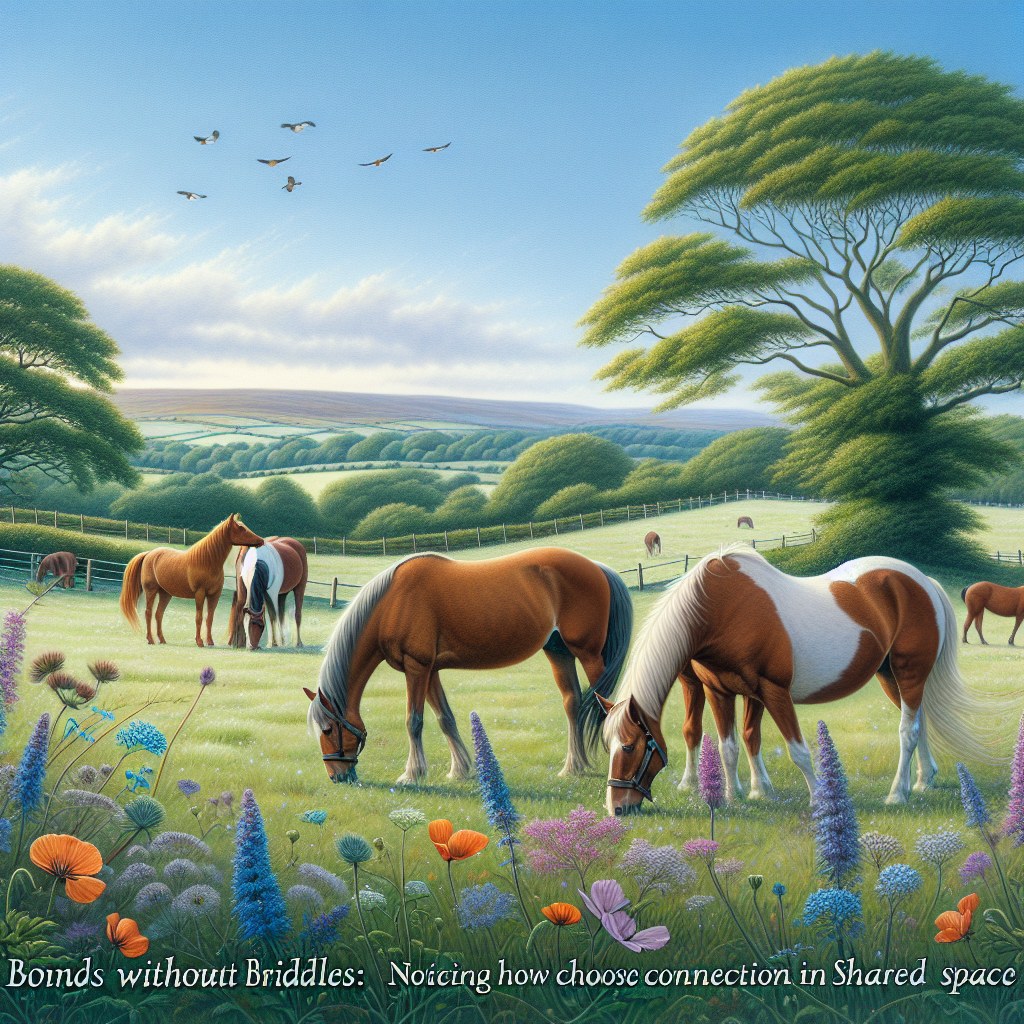
The Quiet Step Aside: How Horses Defuse Tension With Body Angles


Hook
Most “herd drama” doesn’t look dramatic at all. Often, it’s a head turn, a shifted shoulder, or one horse quietly stepping aside—tension resolved before it becomes a problem.
Basic concept
A stable herd isn’t held together by constant fighting. Much of the visible order comes from relationships and small, low-level signals that reduce friction.
One of the most useful signals to notice is body angle—how a horse positions their chest, shoulder, and feet in relation to another horse. These tiny adjustments can communicate intent and create space without escalation.
What body angles can tell you (without assigning labels)
It’s tempting to describe one horse as “dominant” and another as “submissive,” but dominance is situational and relationship-based—who yields to whom around a specific resource or moment.
Instead of labeling personalities, watch for these context-specific patterns:
- A horse turns slightly away or steps off the line as another approaches. This can be a calm yield that prevents crowding.
- A horse angles their body to block (without chasing). The other horse may choose a wider path, and that’s the resolution.
- A horse redirects with a head turn or ear change, and the approaching horse slows, pauses, or reroutes.
These are often “finished conversations” in the herd—quick, quiet, and effective.
Field-friendly observation: three things to note
You don’t need to intervene or “test” anything. Just watch repeated moments and look for patterns:
- Who consistently yields space to whom in everyday passing (not just at one hotspot).
- Whether the yielding looks calm (soft movement, no escalation) or tense (tight posture, abrupt reactions).
- How quickly tension dissolves after the angle change—does the pair return to calm proximity, or do they maintain distance?
Why this matters
When humans force a simple “alpha hierarchy” story onto horses, they often miss the real structure: bonds, tolerance, distance, and timing. Body angles are part of that timing—how horses adjust space to stay comfortable together.
A simple takeaway
Next time you watch a group, look for the smallest “step aside” moments. Those quiet decisions are often the real glue of herd harmony—and they’re easier to learn from than the rare blow-ups everyone notices.