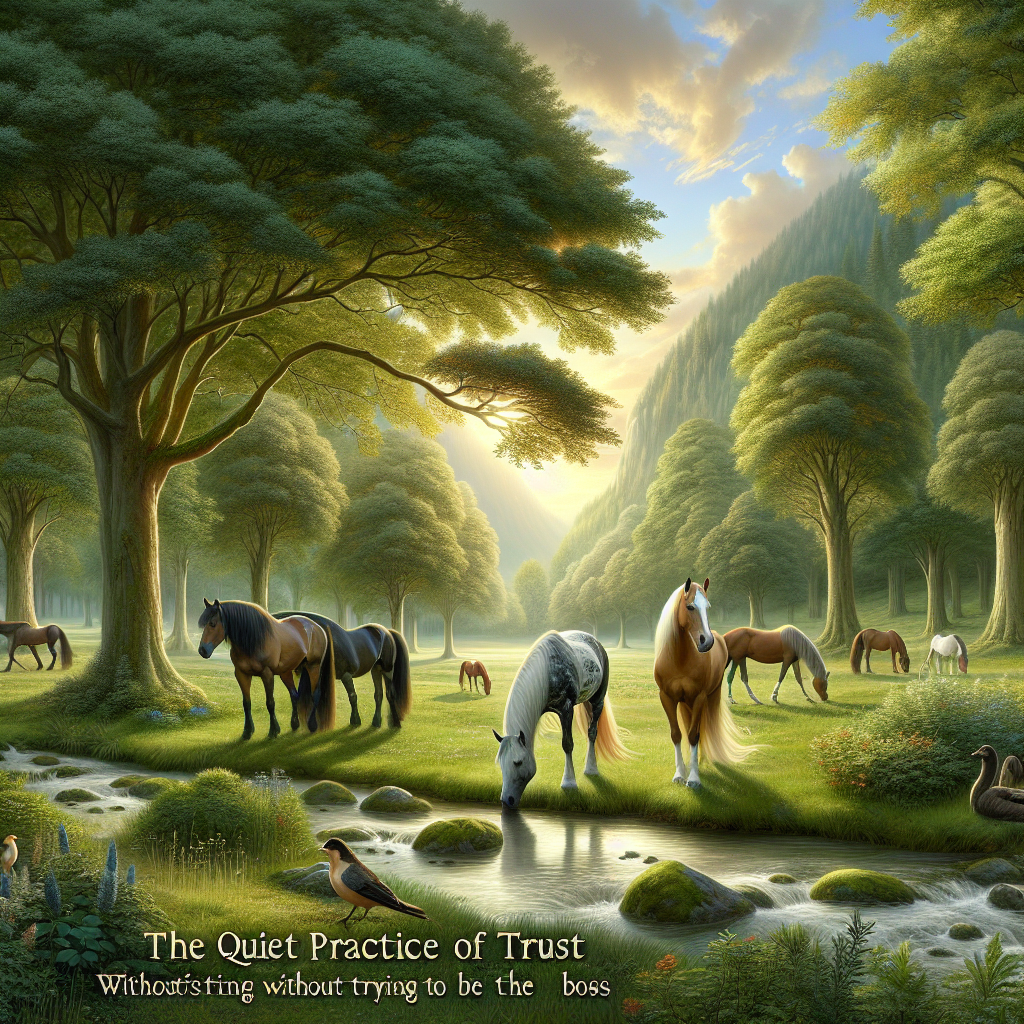
The Quiet Practice of Trust: Coexisting With Horses Without Trying to Be the Boss

Hook
Trust with horses is often talked about like a goal you get—as if it appears once you prove you’re “the leader.” But in the everyday reality of living alongside horses (without riding or training), trust looks quieter than that. It looks like allowing the horse’s nature to keep working.
And here’s the shift: a stable herd isn’t primarily maintained by constant fighting. The visible “order” often comes from relationships that reduce friction. If we want coexistence that feels peaceful, trust isn’t built by forcing a simple hierarchy story onto the horse. It’s built by noticing bonds, tolerance, distance, and timing—and making our choices fit that reality.
1) Trust starts when we stop flattening horses into a simple “alpha” story
Humans love clean explanations. “That one is dominant.” “This one is the leader.” It can feel reassuring to label the herd and then label ourselves in relation to it.
But dominance is not a fixed personality tag. It’s situational and relationship-based—who yields to whom around specific resources. Leadership is not a single permanent boss either; movement and decisions can be distributed across individuals depending on context.
For coexistence, this matters because a horse isn’t “trusting you” because you out-ranked them in some universal ladder. Often, they’re responding to whether you reduce friction in their world. Trust grows when your presence becomes readable, consistent, and non-escalating—more like the quiet agreements horses already use with each other.
2) The herd’s real structure is visible in calm patterns, not dramatic moments
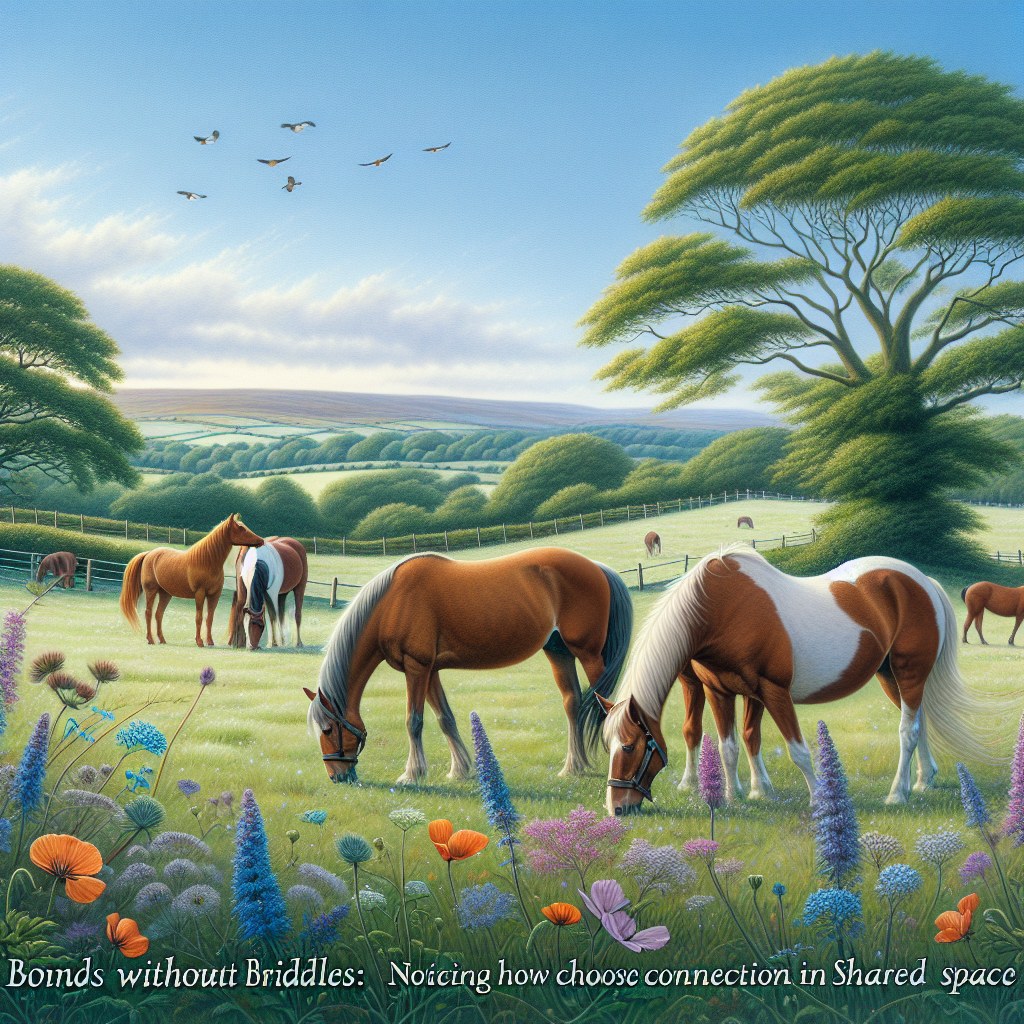
If you want a trust-centered way to live alongside horses, watch what the herd shows you when nothing “big” is happening. The practical clues aren’t always the pinned-ears moment that catches your eye. They’re the repeated, low-drama choices.
Field-friendly things to observe (without turning it into a training session):
- Proximity patterns: Who chooses to stand or rest near whom? Repeated pairing matters.
- Affiliative behaviors: Mutual grooming, calm following, shared resting.
- Tolerance at resources: Yielding, allowing access near hay or water, calm passing through narrow points.
- Low-level signals: Ears, head turns, body angle, stepping aside—often the herd resolves tension without escalation.
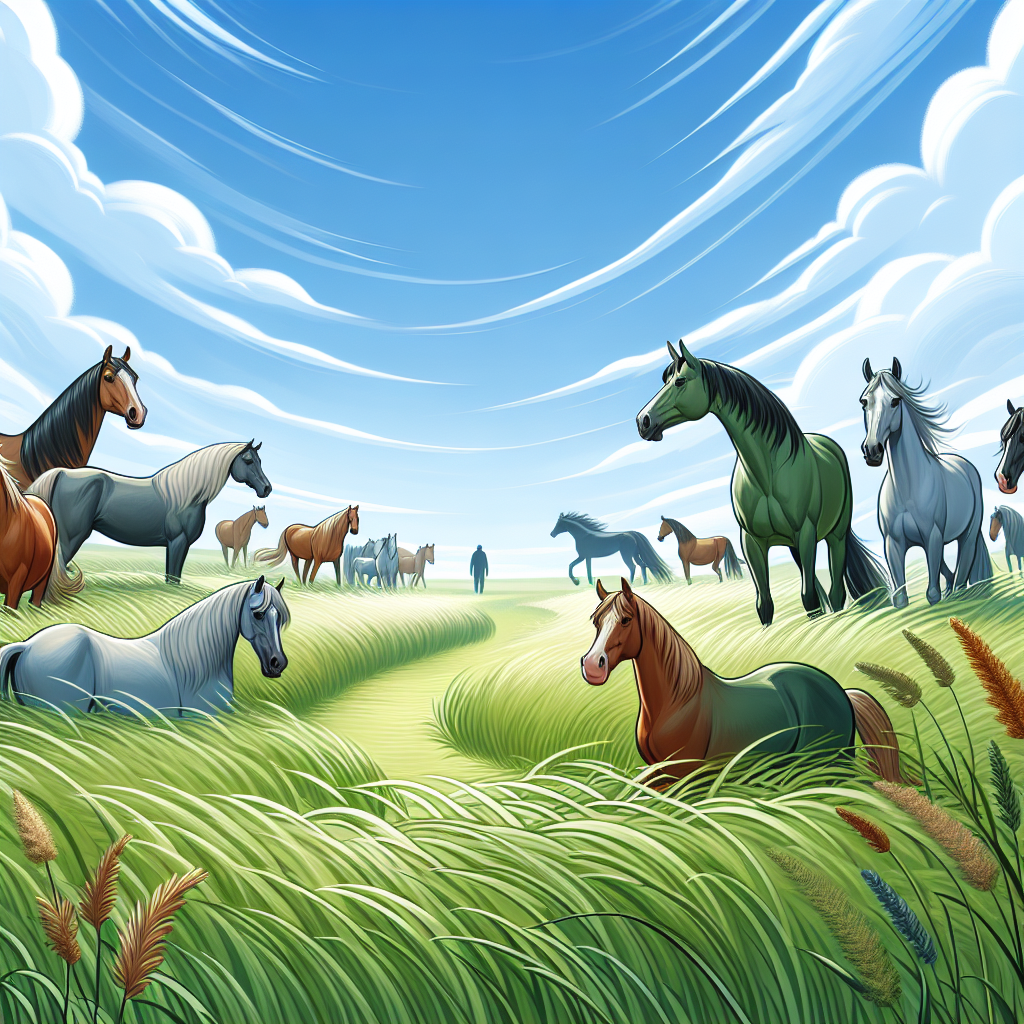
These observations don’t ask you to control the herd. They ask you to understand the language of “we can share space.” And that’s the root of coexistence trust: not controlling outcomes, but recognizing how horses already maintain peace.
3) Coexistence trust is built by not constantly stepping in
There’s a human habit that quietly erodes trust: constant intervention. When we’re always stepping in, always managing, we might actually get in the way of the horse’s own nature.
A welfare mindset can fall into a simple trap: pain is bad, comfort is good, end of story. But nature isn’t built only on comfort. Challenge—some degree of hardship—can be part of what makes an animal strong and adaptable. A life with zero adversity doesn’t necessarily create peace; it can create fragility.
So the alternative isn’t “designing a perfect artificial paradise” for horses. It’s closer to a practice of trust: giving horses room to be horses, and letting their existing social tools do their work—while you remain present, attentive, and respectful of what’s happening.
4) Horses read our internal state: trust begins before we move a muscle
One of the most practical truths passed down by experienced horse people is that horses are mirrors to our state of being. They respond to patience, and connection is built through shared rhythm, recognizing a voice, and building trust.
There’s a simple barn-level observation that captures this:
If a person walks into a pen agitated—with a racing mind and tense shoulders—the horse is likely to stay on the far side, watching cautiously. But if the person stands quietly, takes a deep breath, and invites the horse to approach with a soft look, more often than not the horse will come in.
This isn’t about “techniques.” It’s about the atmosphere you bring. In coexistence, trust is often the absence of pressure. The horse learns that your presence doesn’t predict disruption.
5) Synchronization: shared rhythm as a non-verbal agreement
When trust begins to form, people often experience something subtle: synchronization. Walk calmly alongside a horse and breathing and footsteps can start to align. The horse matches the human’s tempo, and the human subconsciously matches the horse’s.
This matters in a no-riding, no-training life because it reframes what “connection” is. It isn’t a performance. It’s a shared regulation—an unforced, non-verbal conversation.
In a herd, friction is reduced through timing, distance, and small signals long before conflict. With humans, a similar idea applies: calm rhythm reduces uncertainty. When your pace, breath, and presence are steady, you become easier to predict—and predictability is one of the quiet building blocks of trust.
6) Trust looks like tolerance: choosing space together without escalation
In horse societies, stability often comes from relationships that reduce friction, not from constant fighting. So one of the most honest “trust indicators” in coexistence is tolerance—especially around moments that could create pressure.
Look for the small, non-dramatic choices:
- A horse yields with a soft step aside instead of escalating.
- Two horses pass through a narrow point calmly.
- Access near a resource is allowed without chasing.
- A horse chooses to remain nearby when they could easily leave.
These are not just herd details—they’re templates. If you want trust with horses without riding or training, aim to be part of the environment in a way that supports these low-friction outcomes. Not by forcing peace, but by not adding unnecessary tension.
Closing: Trust as a daily posture, not a status
Science and experience can meet right here: the lab helps name patterns, and the barn reminds us how obvious those patterns become when we simply watch.
Trust, in coexistence, isn’t a badge you earn by becoming an “alpha.” It’s a daily posture: calm presence, respect for the horse’s social reality, and the humility to let their nature keep doing what it does best—building stability through bonds, tolerance, distance, and timing.
When we stop trying to be the boss of the story, we get to participate in something more real: a shared space that feels easier to live in—for them, and for us.