The Quiet Geometry of Space: Living Alongside Horses Without Asking Anything

Hook
Space is one of the kindest things you can offer a horse.
Not “space” as in square footage or fencing plans, but the lived space between bodies: distance, angles, pauses, and the choice to come closer—or not.
Space as a relationship, not a rule
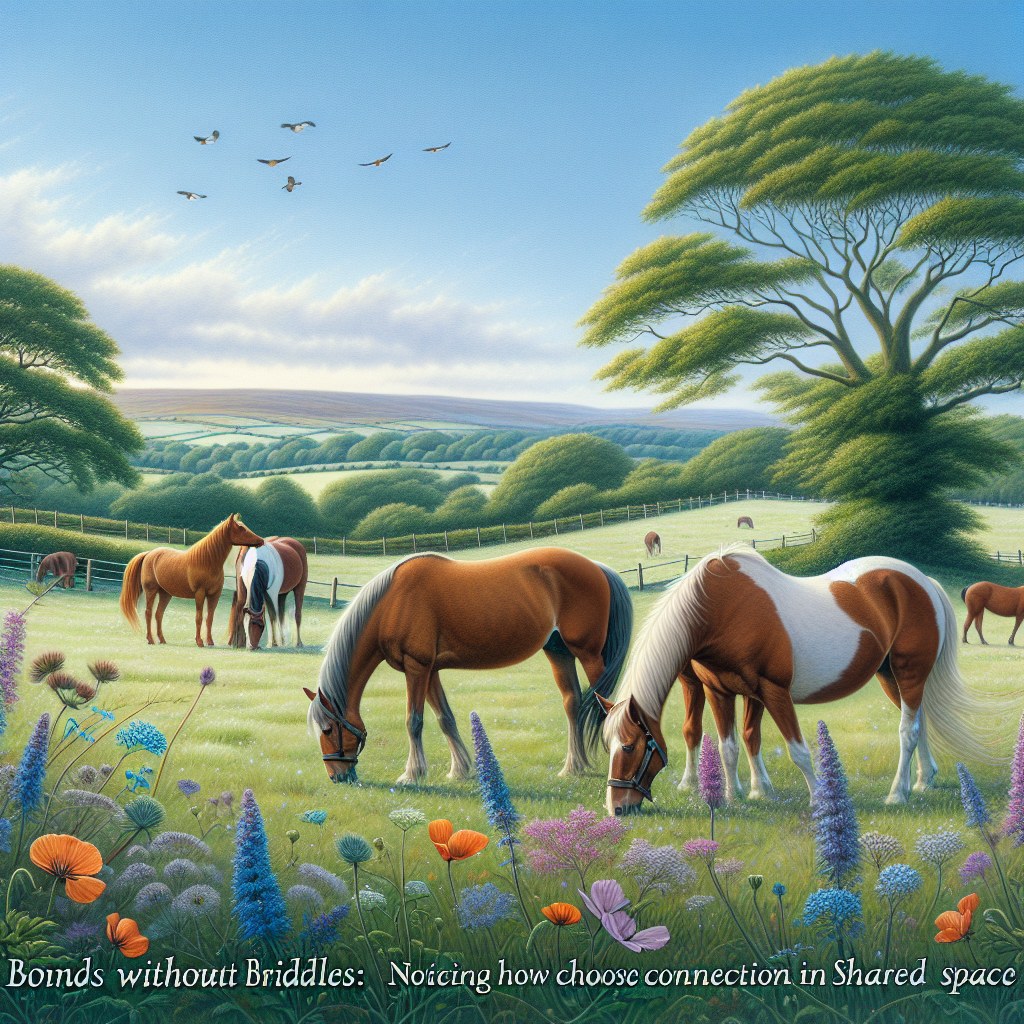
In a stable herd, the visible order isn’t mostly maintained by constant fighting. Much of it comes from relationships that reduce friction.
That’s easiest to notice through space:
- Who stands near whom, again and again.
- Who rests together without tension.
- Who can pass close without it turning into drama.
This is a different story than the simple “alpha hierarchy” people like to tell. “Dominance” isn’t a fixed personality label; it’s situational and relationship-based—who yields to whom around specific resources. And “leadership” isn’t one permanent boss; movement and decisions can be distributed depending on context.
All of that shows up, first, as spacing.
The smallest signals that reshape the whole scene
Horses often resolve tension without escalation. Watch for low-level signals:
- a head turn
- ears that shift
- a change in body angle
- a single step aside
These are spatial negotiations. They say, “I’m aware of you,” or “I’d like a little more room,” or “You can pass.”
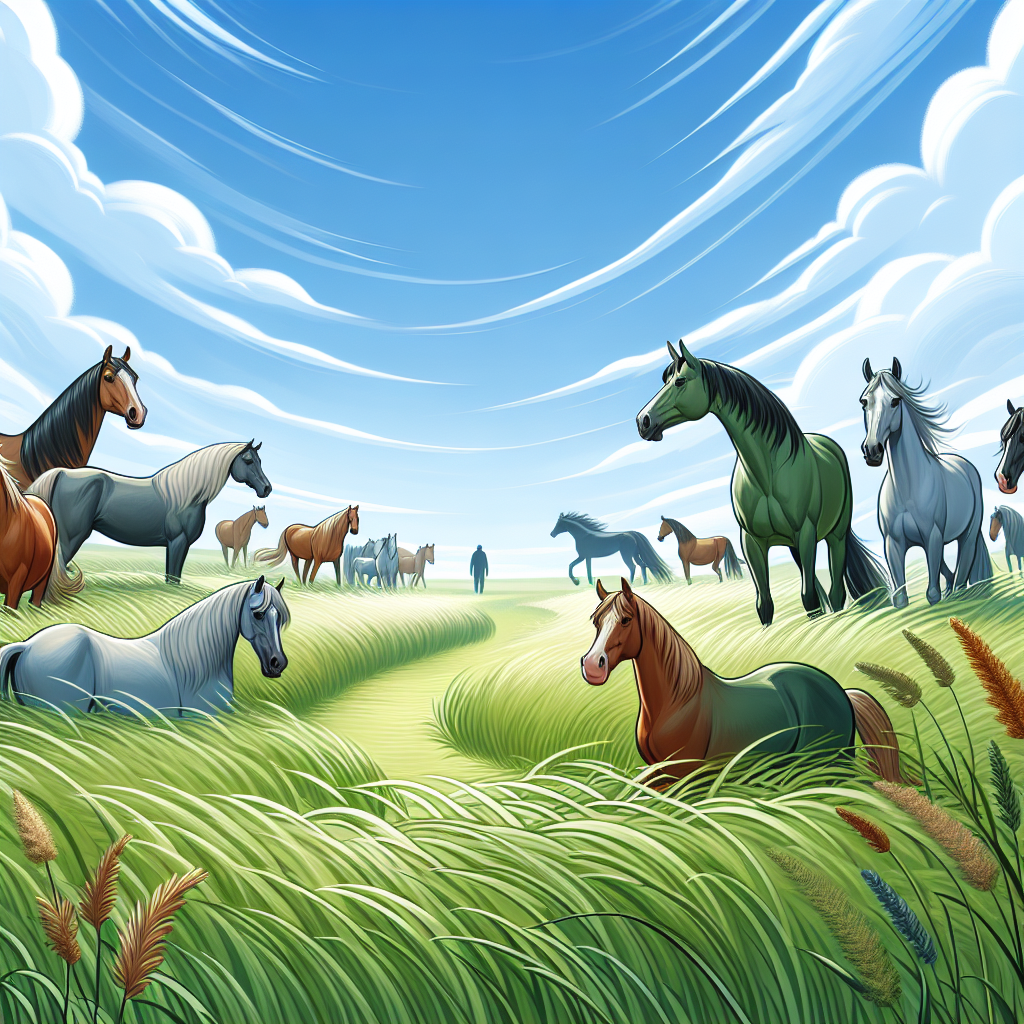
If you’re coexisting—just being present—this matters, because you’re part of the geometry the moment you enter.
Human space is emotional space, too
Experienced horse people have long noticed something simple: horses read our internal state.
Walk into a pen agitated—racing mind, tense shoulders—and the horse may stay on the far side, watching cautiously.
Stand quietly, soften your look, breathe, and more often than not the horse chooses to approach and make contact.
That choice is made in space.
And sometimes something even quieter happens: synchronization. When a person walks calmly alongside a horse (without trying to make anything happen), breathing and footsteps can begin to align—a non-verbal conversation built from shared tempo.
Coexistence without demands: a “space-first” way to observe
If you want a non-riding, non-training relationship with horses, consider making your main practice simply noticing how space works:
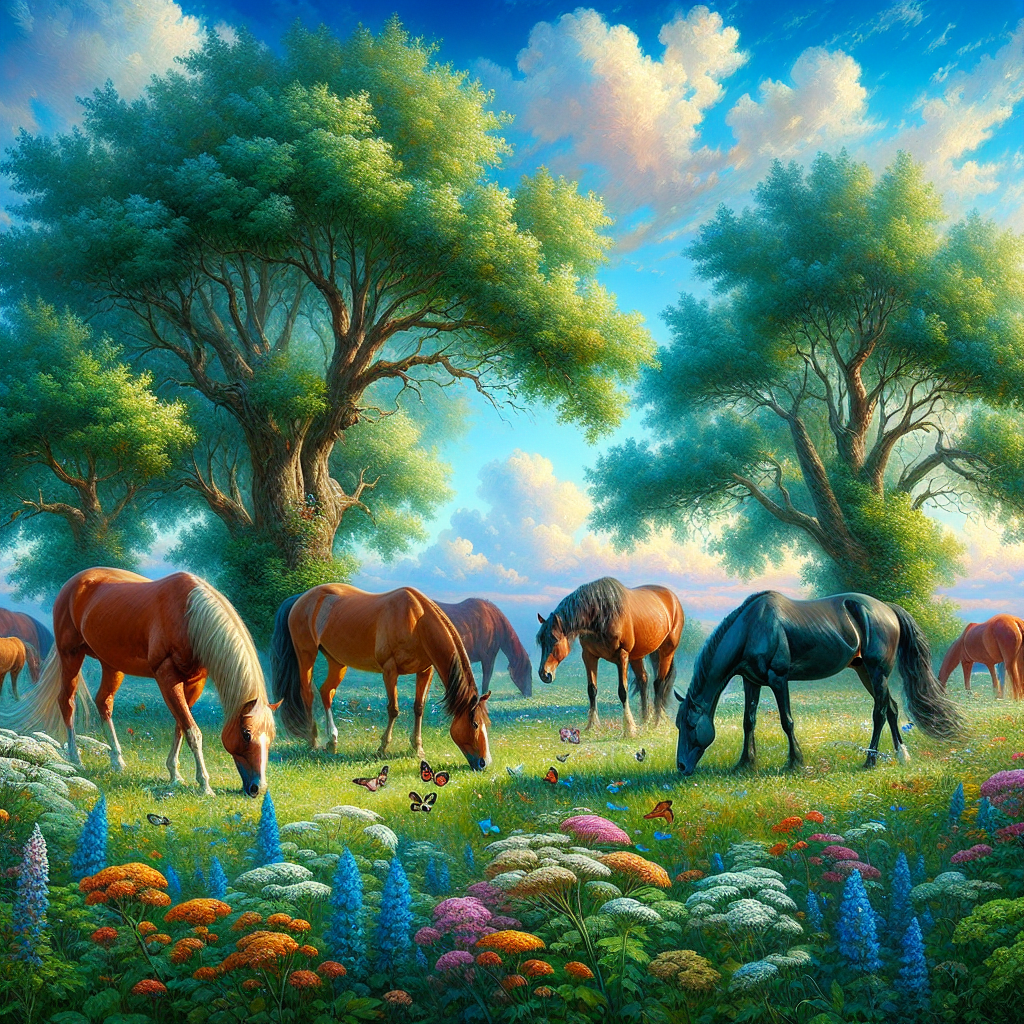
- Proximity patterns: Who repeatedly chooses to be near whom? Do the same pairings show up at rest?
- Affiliative behaviors: Mutual grooming, calm following, shared resting—these often come with relaxed spacing.
- Tolerance at resources: Look for yielding, allowing access, or calm passing. Who can be close without conflict?
- De-escalation in motion: Notice how often a tiny shift in angle prevents a bigger moment.
You don’t need to interpret every interaction as a power struggle. Often, what you’re seeing is timing, bonds, tolerance, and distance—an everyday choreography that keeps life smooth.
Closing
Coexisting with horses can be as simple as this: enter their world and become predictable, breathable, and respectful of distance.
In a herd, space is how relationships stay intact.
With humans, it can be the same.