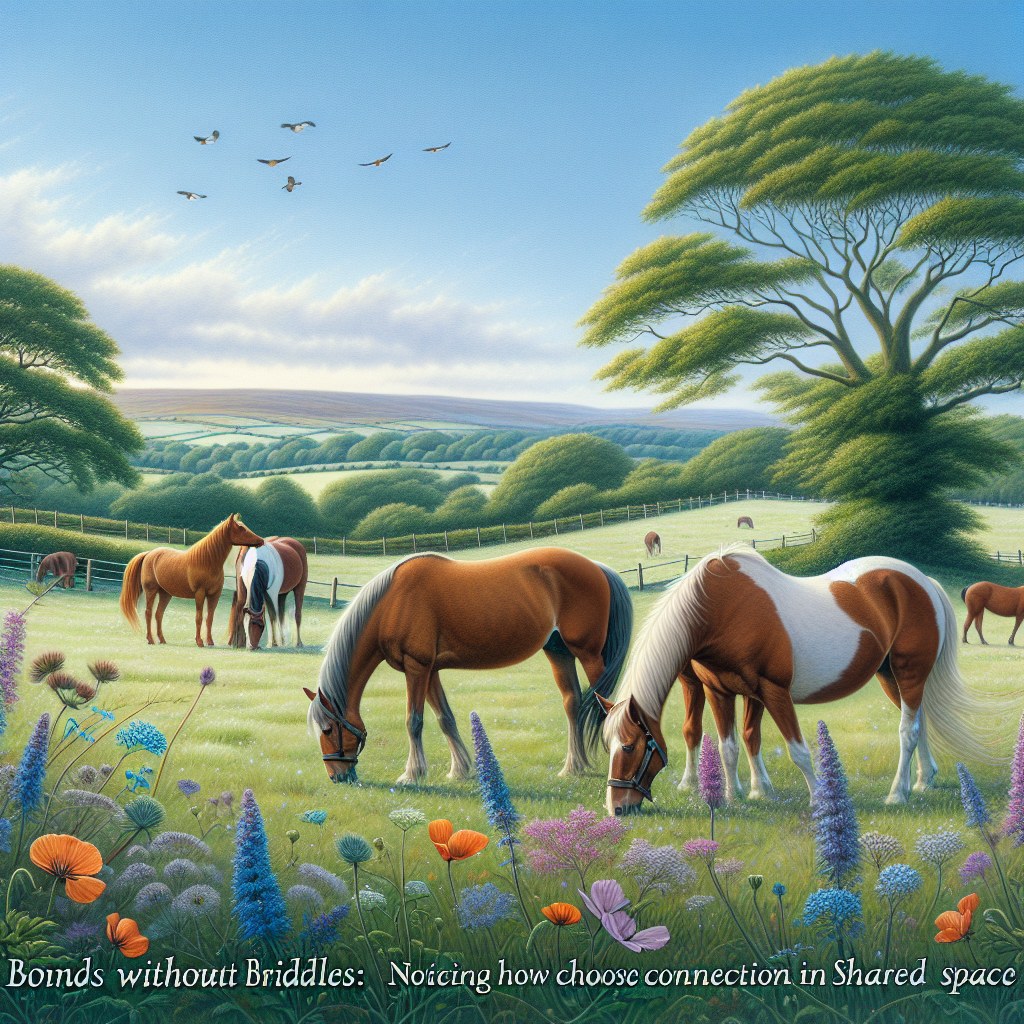
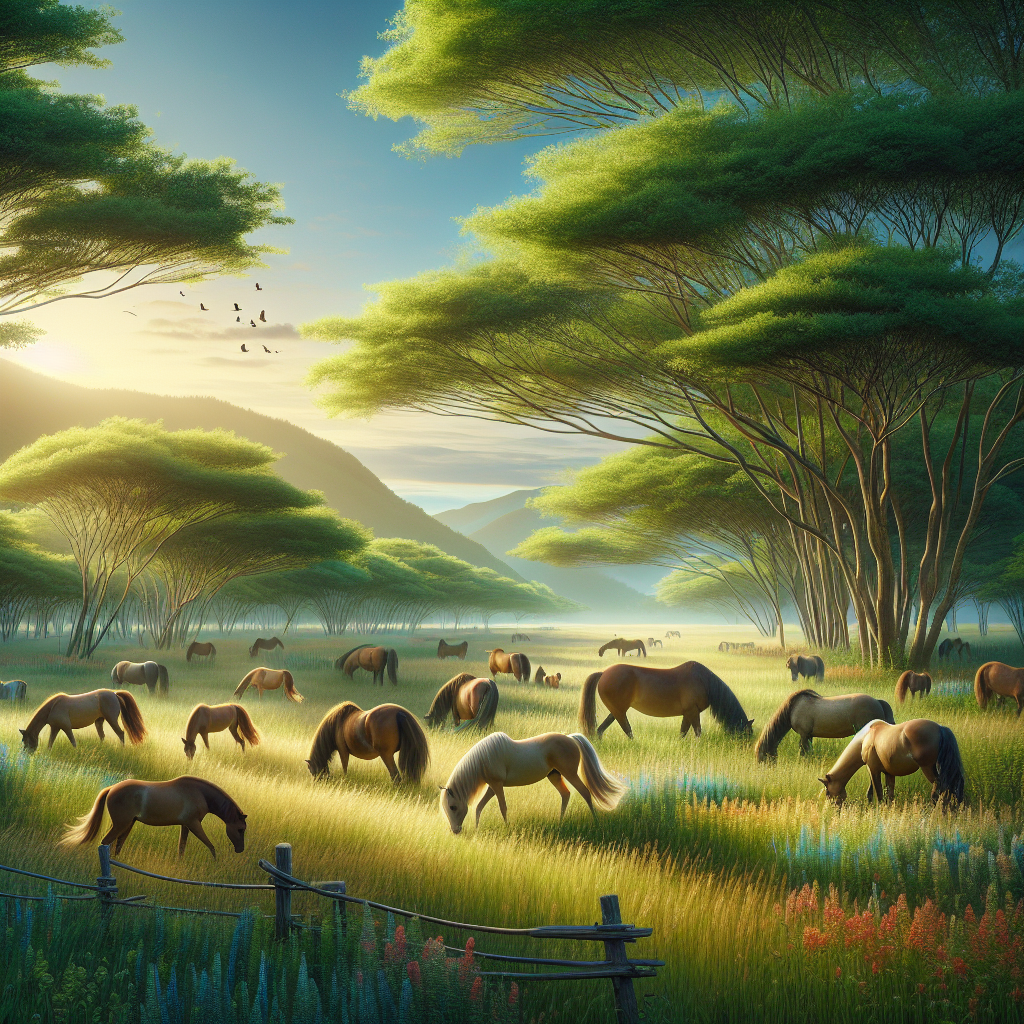
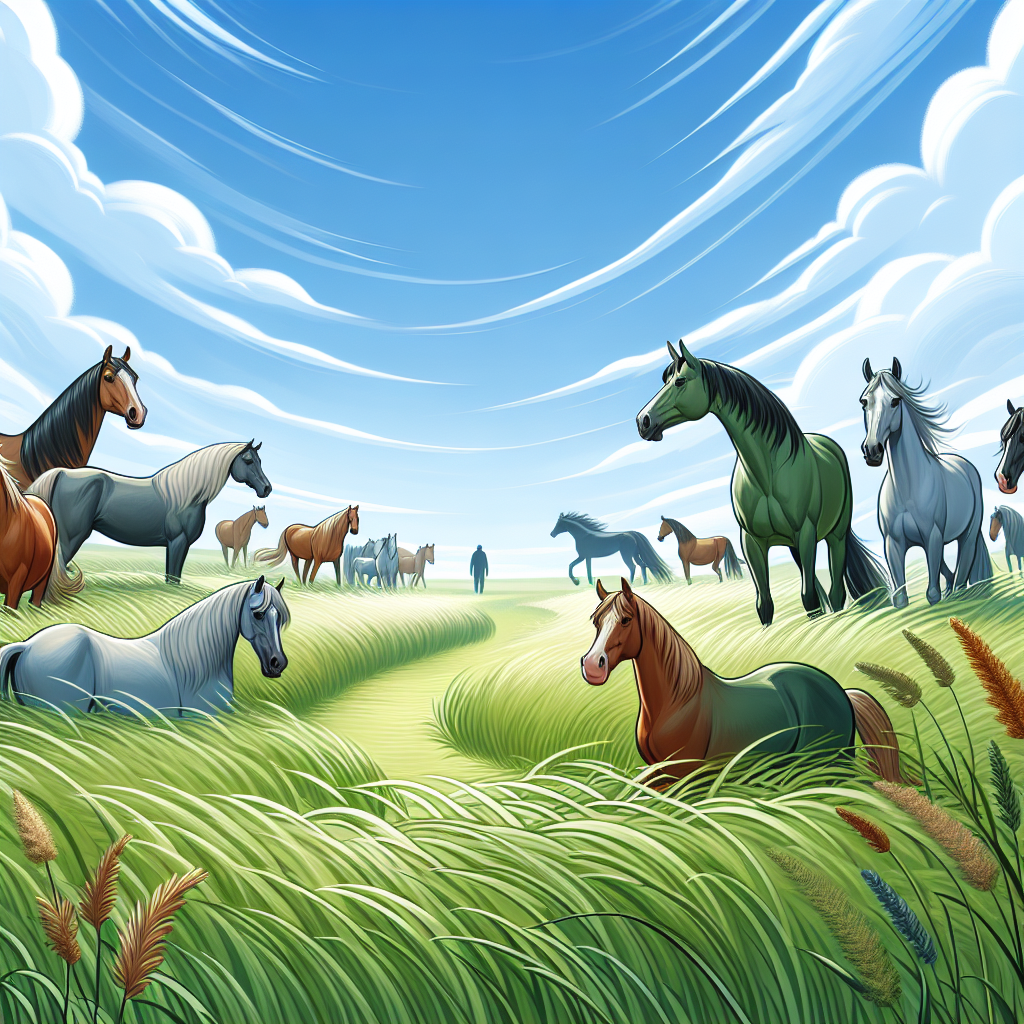
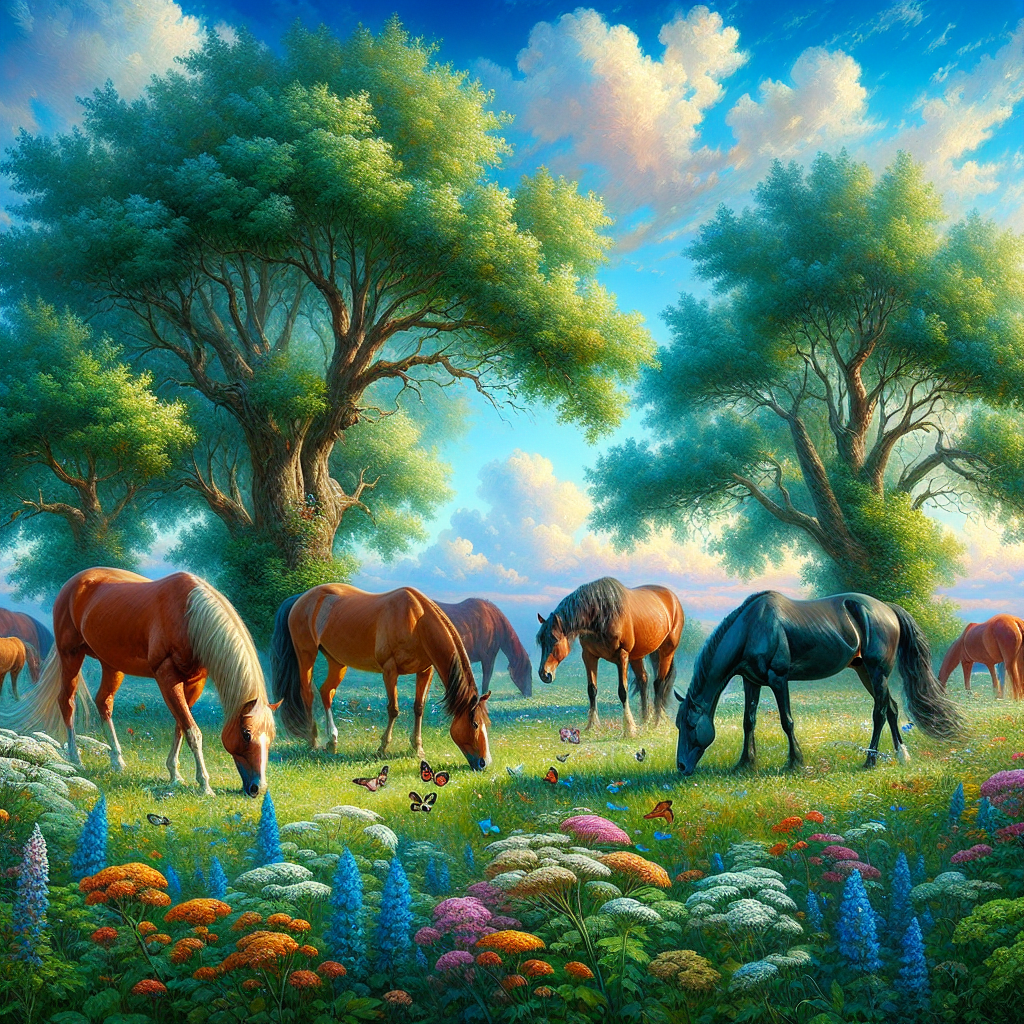
The Patience of Standing Still: Letting Horses Share Space Without a Script

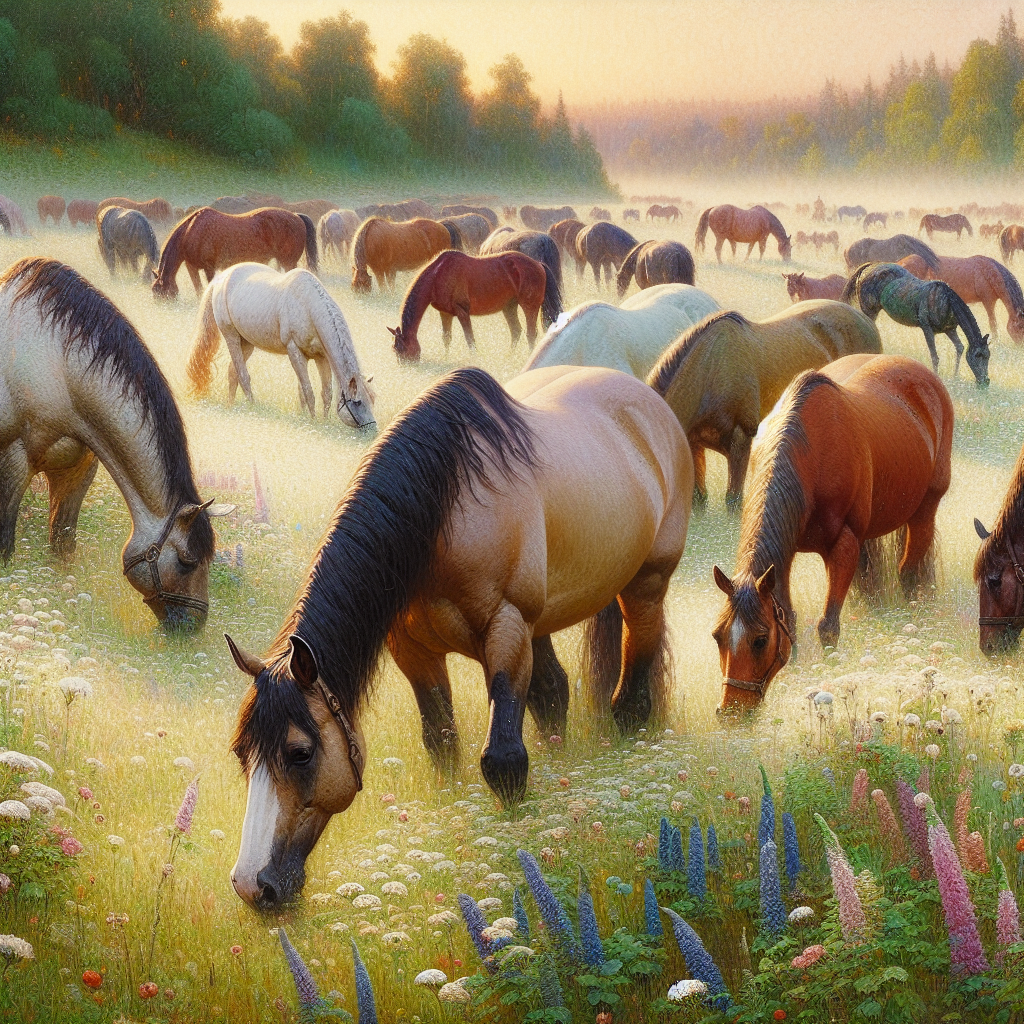
Hook
Patience around horses often looks like “doing nothing.”
But in a barn, a paddock, or along a fence line, that kind of “nothing” can be the most respectful form of coexistence we offer: a steady presence that doesn’t demand a result.
Patience isn’t waiting—it's staying readable
Ask experienced horse people and they’ll tell you: horses mirror our internal state.
Walk into their space with a racing mind and tense shoulders, and the horse may stay on the far side, watching. Stand quietly, breathe, soften your look, and the invitation changes—often the horse does too. That shift is patience in its most practical form: regulating yourself so the horse can make a choice without pressure.
Coexistence is built on rhythm, not control
There’s a quiet phenomenon that shows up when humans stop pushing the moment: synchronization.
When a person walks calmly alongside a horse (not to “work” them, just to share space), breathing and footsteps can start to align. The horse matches the human’s tempo; the human subconsciously matches the horse’s. It’s a non-verbal conversation that asks for patience because it can’t be forced—and because the best part of it is that it’s mutual.
The herd teaches us what “peace” really is
A stable herd isn’t primarily maintained by constant fighting. The visible order often comes from relationships that reduce friction.
This is where patience becomes an ethical stance: instead of chasing an “alpha hierarchy” story, you begin noticing what actually holds the group together—bonds, tolerance, distance, timing.
Dominance isn’t a fixed personality label; it’s situational and relationship-based (who yields to whom around specific resources). Leadership isn’t one permanent boss; movement and decisions can be distributed across individuals depending on context. Patience helps us stop flattening all that into a simple narrative.
What patient observation looks for (without interfering)
If you want to live alongside horses without turning every moment into management, patience has a direction. It watches for small truths:
- Proximity patterns: who chooses to stand or rest near whom (and who repeats that choice).
- Affiliative behaviors: mutual grooming, calm following, shared resting.
- Tolerance at resources: yielding, allowing access near hay or water, calm passing through narrow points.
- Low-level signals: ears, head turns, body angle, stepping aside—often the herd resolves tension before it ever becomes “a problem.”
None of this requires you to “do” something. It requires you to notice—and to trust what you’re seeing.
The patience to intervene less
There’s a paradox in human care: when we’re constantly stepping in, constantly intervening, we might be getting in the way of the horse’s own nature.
A welfare mindset can fall into a trap: pain is bad, comfort is good, end of story. But nature isn’t built like that. Challenge—some hardship—is part of how living beings grow resilient rather than fragile.
Patience doesn’t mean ignoring risk or pretending everything is fine. It means resisting the urge to micromanage every interaction into artificial peace. It’s the beginning of trust: letting horses do the quiet work of being horses.
A small practice for coexistence: choose a softer timeline
The next time you’re with horses, pick one moment where you won’t rush the outcome.
Don’t ask for contact. Don’t try to “fix” the herd’s mood. Don’t narrate their roles.
Just become steady enough that the horse can place you in the environment without worry—and patient enough to let their relationships, signals, and rhythms speak first.
That’s not passive.
That’s coexistence.