Movement as a Shared Language: Letting Horses Shape the Space We Live In
Hook
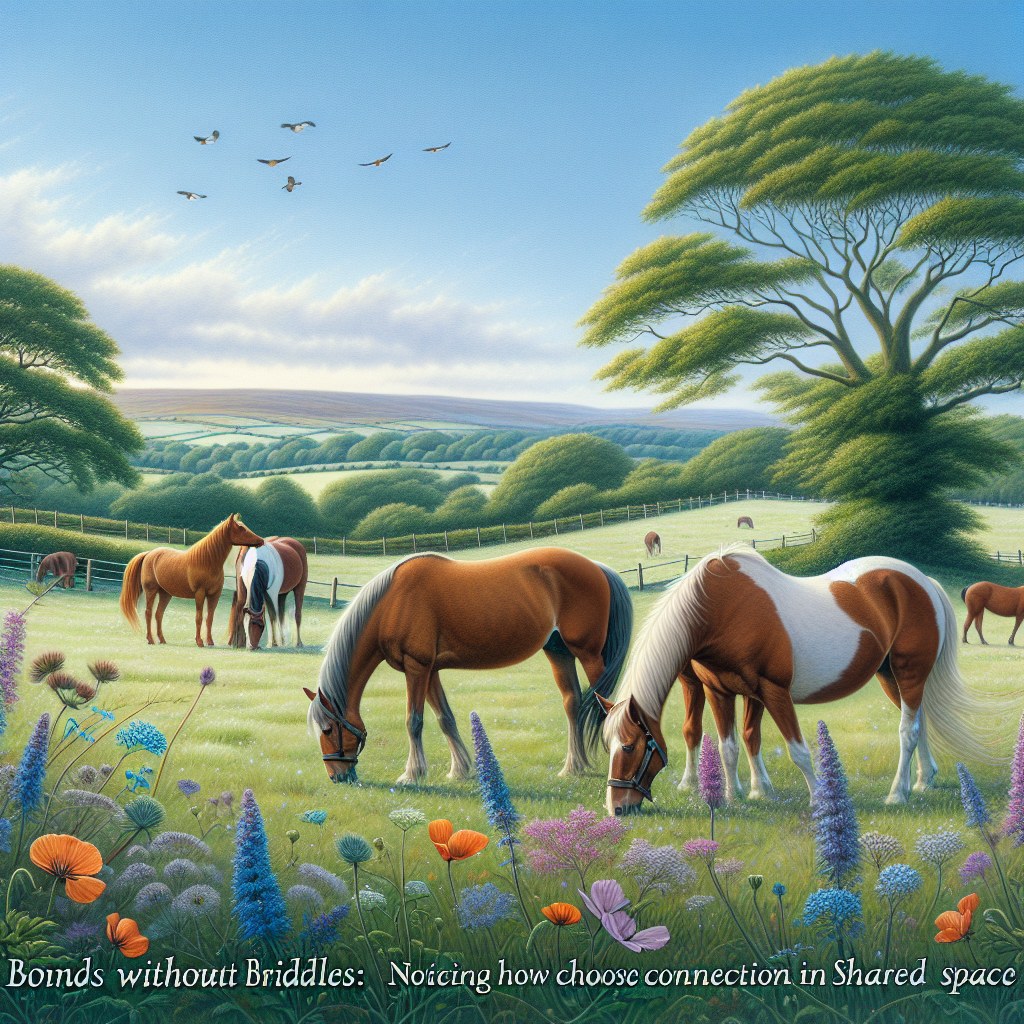
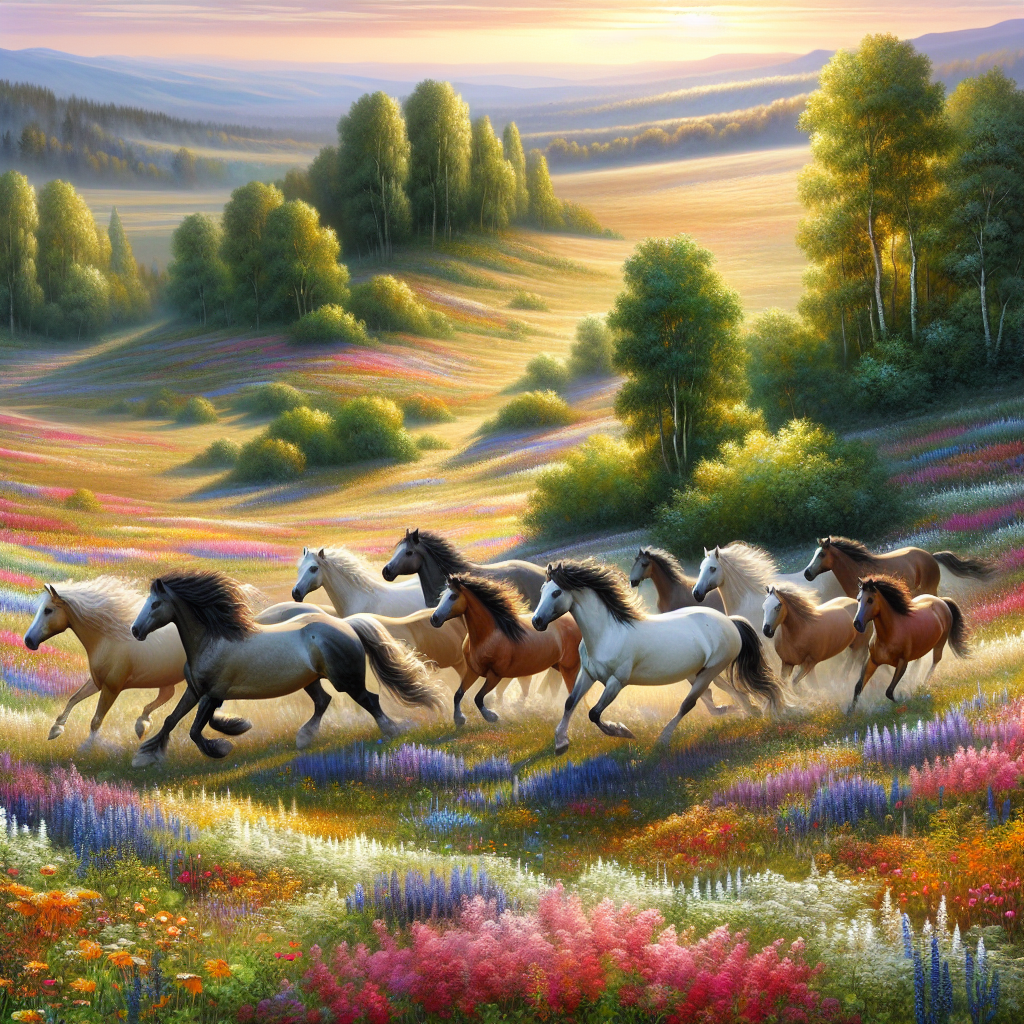
Coexisting with horses can be reimagined as a question of movement rather than control. Not movement demanded by humans, but movement chosen by horses—where they go, how long they stay, and what paths they repeat because the landscape invites it. In our setup, the striking image is that horses have the larger world, while we appear to be the ones living inside a smaller enclosed area near the house. That inversion changes everything: the horses’ movement becomes the organizing principle of daily life.
1) Turning the usual layout upside down
In many situations, horses are confined to small stalls or limited spaces. We did the opposite: we opened most of our land to the horses. The effect is almost symbolic—there’s a fence around our own house area, making it look like we humans “locked ourselves in.” This isn’t a gimmick; it’s a practical statement about movement.
When the largest area belongs to the horses, their movement becomes less about “being let out” and more about simply living. They can travel, change direction, and choose distance. Humans, meanwhile, are invited to observe and adapt, rather than orchestrate.
2) Movement without schedules: the quiet freedom of roaming
A key difference between control and coexistence is whether movement is tied to fixed moments. If the day is built around strict timing—when to be released, when to be fed, when to be brought back—movement becomes a managed event.
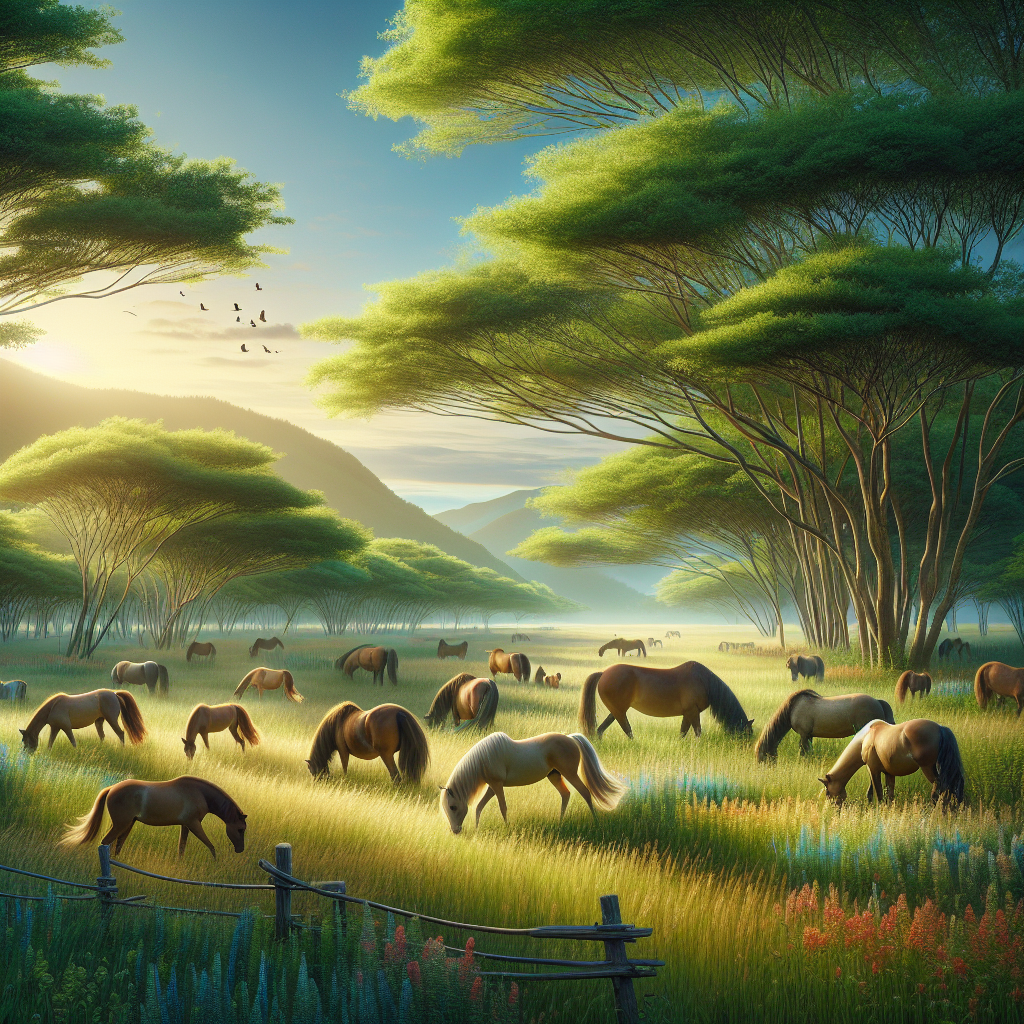
Our approach aims to reduce that feeling of scheduled permission. By giving the horses access to a wider environment, movement can happen at their pace. They can drift through the land, return to familiar spots, and linger where they want. The land itself becomes the reason to move, not a human timetable.
3) Foraging as natural movement: walking is part of eating
Feeding is often treated as a stationary act: food appears at a set time in a set place. We choose something different. We do not feed at fixed times; instead, we encourage natural foraging behavior as much as possible.
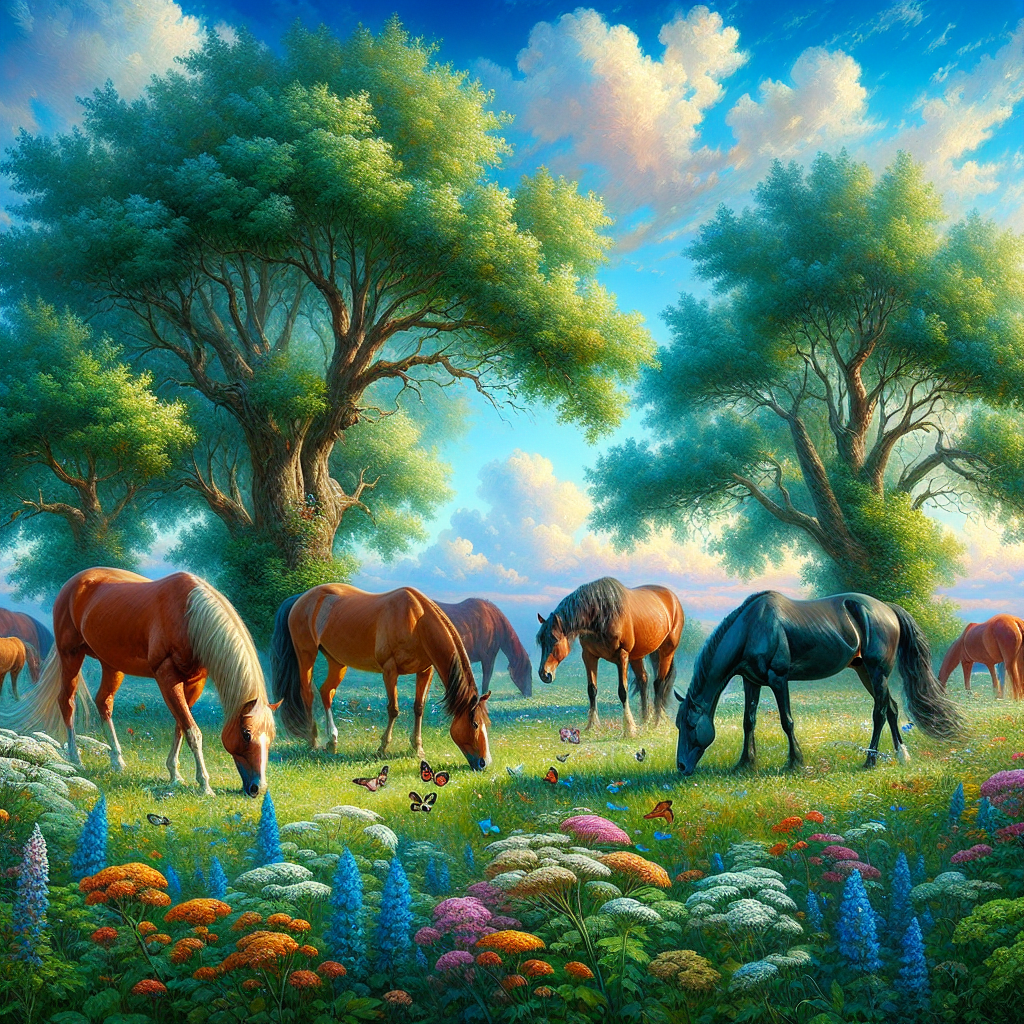
That decision is about movement as much as it is about nutrition. When horses have access to different kinds of hay and wild herbs, eating is not a single stop—it becomes a pattern of wandering, selecting, and returning. The act of choosing creates gentle, repeated movement: shifting from one option to another, spending time where a particular plant draws them, and then moving on when their interest changes.
4) The landscape becomes a conversation
When horses can move and forage more freely, the environment starts to function like a dialogue. The horses “answer” with their feet: they show what they value by where they go.
We support this by creating an environment where different kinds of hay and wild herbs are available. The horses can instinctively choose the nutrients they need. That instinctive selection is also a form of self-directed movement—an embodied way of navigating their own needs.
In this kind of coexistence, humans don’t need to constantly intervene. The land offers options; the horses respond through movement. Our role is to maintain the conditions that allow that response to stay possible.
5) What humans learn when we become the ones behind the fence
There’s something humbling about realizing that the fence is primarily for us. It shifts the emotional center of the property. Instead of “our home with horses kept nearby,” it feels closer to “the horses’ living space, with a human corner set aside.”
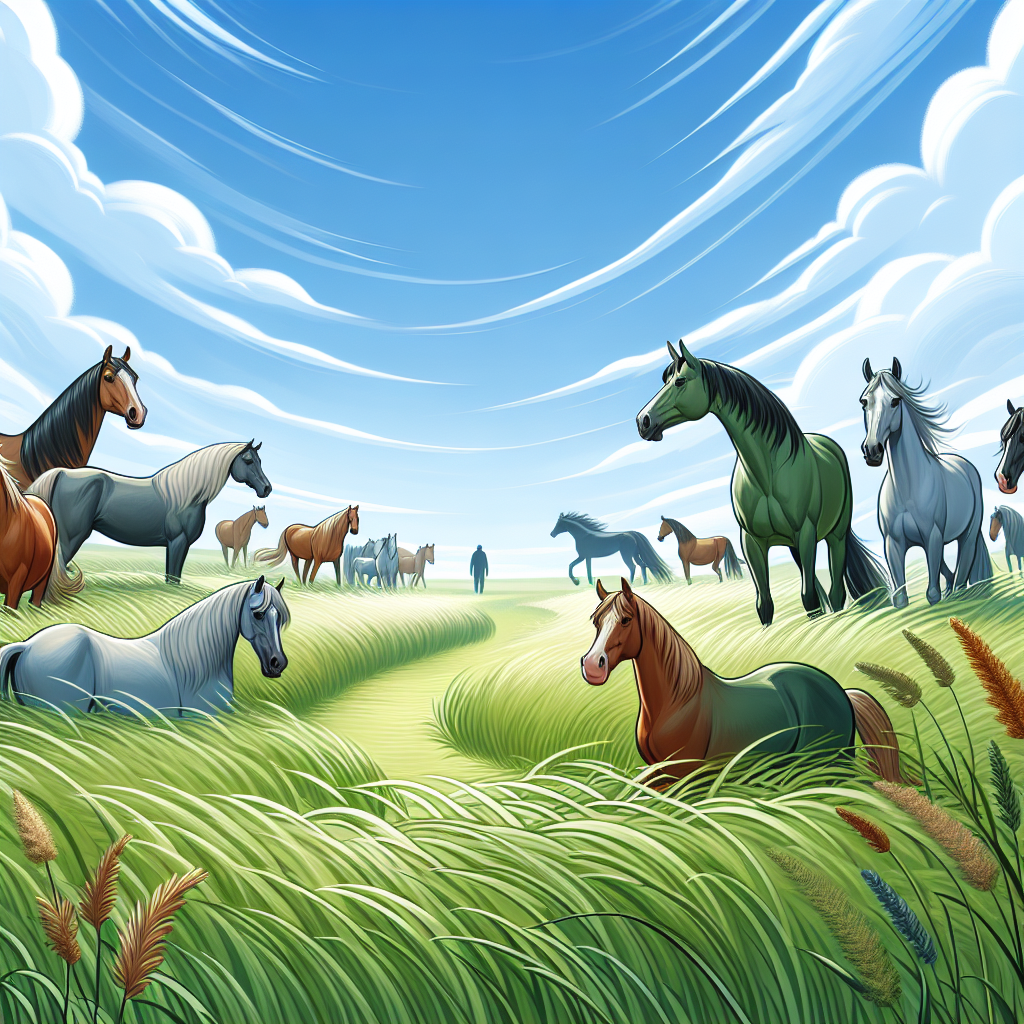
This changes how humans move too. We stop crossing the landscape as owners directing traffic and start moving as guests who pay attention. We notice how horses travel through the space and how their choices vary when multiple foraging options exist. We accept that we are not the default point of reference.
This is coexistence without riding, without training, and without requiring the horse to meet us on our terms. The horse’s movement is not a performance; it is simply life happening.
6) Coexistence measured in everyday choices
A movement-centered relationship isn’t defined by dramatic moments. It’s defined by small, repeated decisions that protect freedom of motion.
Opening most of the land to horses is one of those decisions. Avoiding fixed feeding times is another. Providing varied hay and wild herbs so the horses can choose what they need is a third. None of these choices require us to ask horses to “do” anything for us. Instead, we build a living situation where their natural movement patterns can exist without being constantly interrupted.
In that sense, coexistence is not an activity; it’s a design. It’s the decision to prioritize the horse’s ability to move through a meaningful environment—one that invites foraging, selection, and self-directed roaming.
Closing
When we remove riding and training from the picture, movement becomes one of the clearest ways to see whether horses are truly living with us or merely being kept by us. A horse that can roam most of the land, forage without rigid timing, and choose among diverse hay and wild herbs is a horse whose movement still belongs to itself. And when we accept being “fenced in” near the house, we make a quiet promise: this shared place will be shaped first by the horse’s way of moving through the world.