Living by Invitation: Coexisting With Horses Through Quiet Presence

Hook
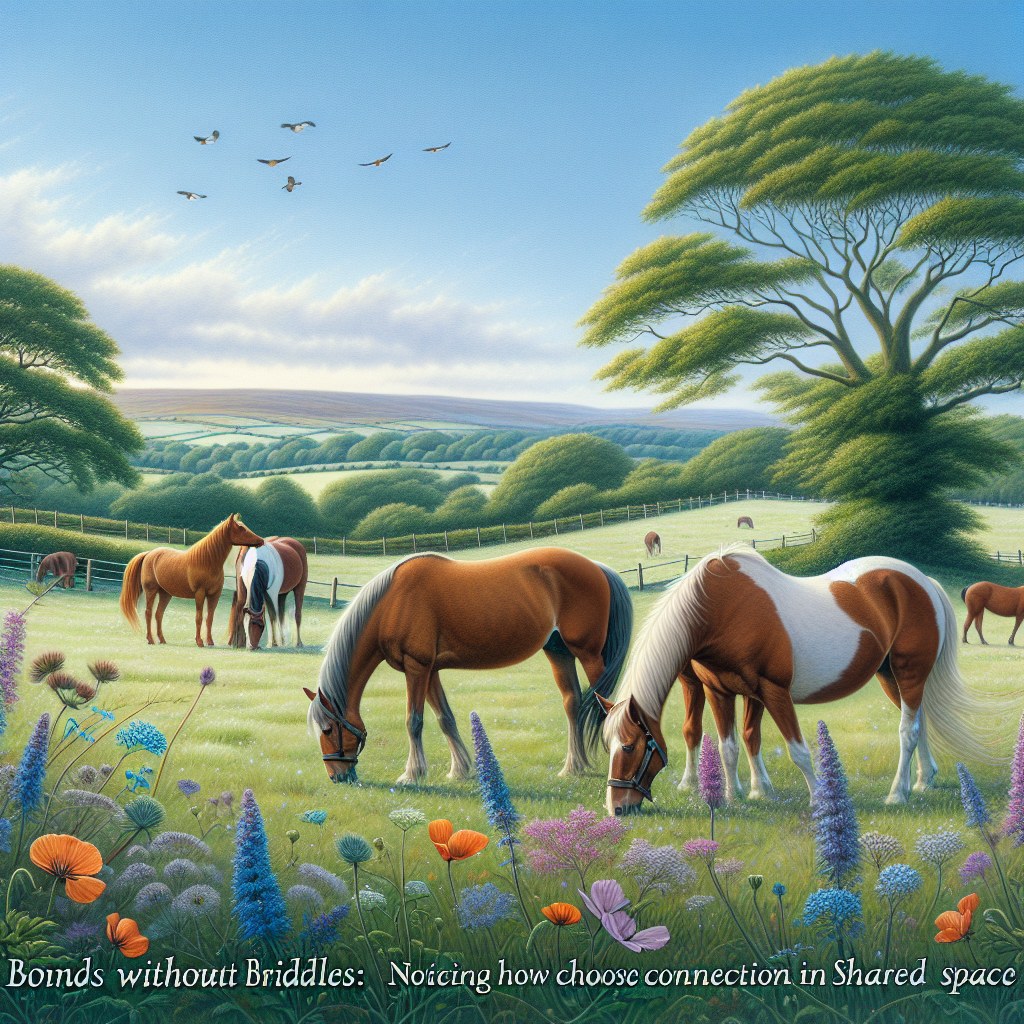
Have you ever stood and simply watched a herd of horses? They can move together like a single organism—no sound, no gear, no obvious commander. It can feel like they’re tuned to a secret frequency. And then a person steps in and that flow can shatter, because our first instinct is often to reach for control.
But coexistence doesn’t have to start with taking charge. It can start with something smaller and more powerful: invitation.
Invitation as a way of being (not a technique)
Invitation, in the simplest sense, is an approach that says, “You may come closer,” rather than, “You must.” It’s not about a trick, a method, or a tool you hold in your hand. It’s a change in how you enter the horse’s world—less pushing, more allowing.
In the knowledge passed down by observant horse people, horses are mirrors to our own state of being. If a person walks into a pen agitated—racing mind, tense shoulders—the horse often stays on the far side, watching cautiously. But if the person stands quietly, takes a deep breath, and offers a soft look, the horse more often walks up and makes contact.
That shift isn’t “training.” It’s coexistence: choosing a presence that makes room for the horse’s choice.
The invisible wall: why control breaks the shared flow
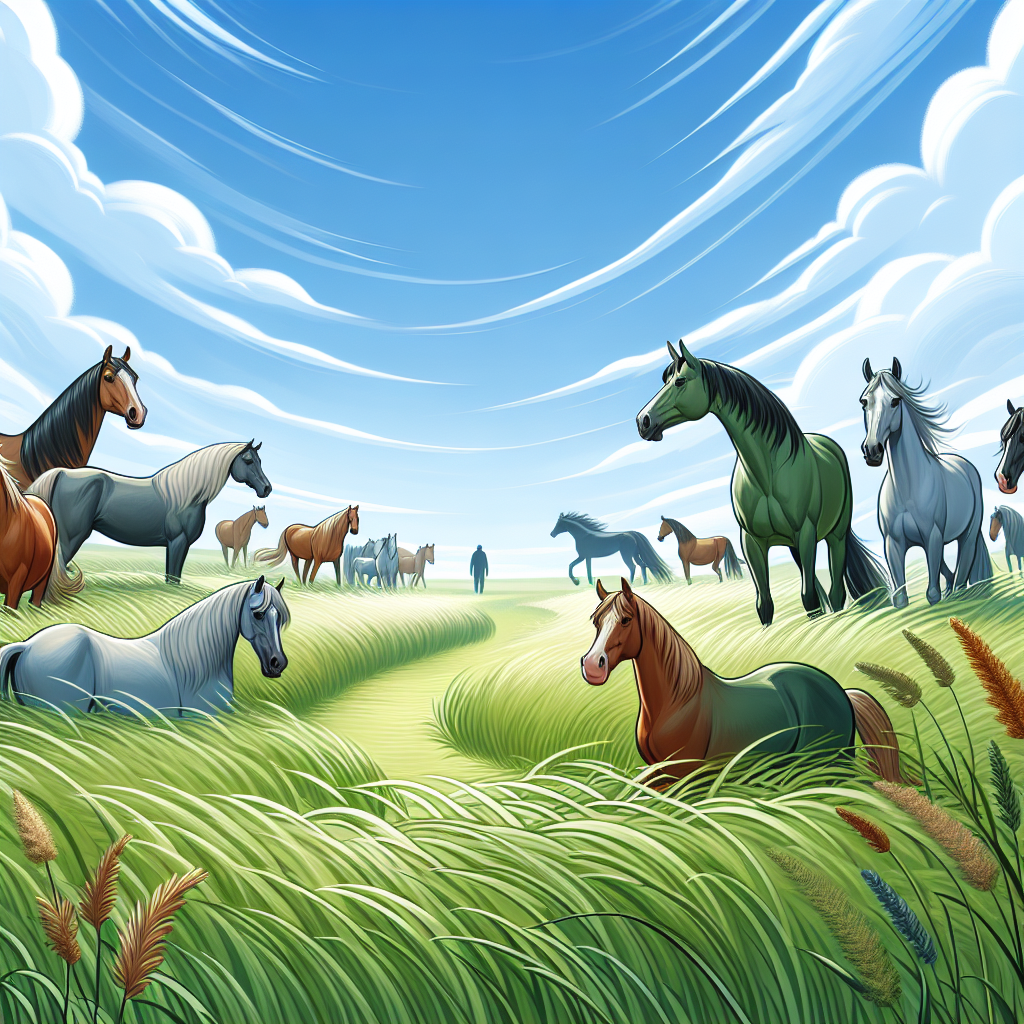
There’s a fundamental disconnect between their world and ours. In a herd, horses live inside a silent, graceful language. The moment we step into their space, we can unintentionally bring an “invisible wall”—our human urgency, our habit of managing outcomes, our reaching for ropes and halters and certainty.
Invitation lowers that wall. It lets the horse stay in its natural flowing state while still acknowledging that a human is present. The difference is subtle but decisive: instead of forcing interaction, you create conditions where interaction is safe and voluntary.
Coexistence begins when the horse doesn’t have to defend its space from you.
What herds teach us about order: relationships reduce friction
People often want to interpret horse society as a simple “alpha hierarchy” story, because it feels tidy. But a stable herd is not primarily maintained by constant fighting. The visible “order” often comes from relationships that reduce friction—bonds, tolerance, distance, and timing.
That matters for humans because coexistence is also a relationship problem before it’s anything else. When we assume everything is dominance, we miss what actually keeps things calm. “Dominance” isn’t a fixed personality label; it’s situational and relationship-based—who yields to whom around specific resources. And “leadership” isn’t a single permanent boss either. Movement and decisions can be distributed across individuals depending on context.
Invitation fits this reality better than control does. It respects that horses organize themselves through moment-to-moment adjustments, not constant contests. When a human enters with invitation, they’re not trying to overwrite herd logic with a human story. They’re aligning with what already works: reduced friction.
The practical heart of invitation: space, timing, and softness
Because horses are constantly reading our internal state, invitation is as much internal as it is external. A tense body can be an accidental “pressure” that says, “Don’t come near.” A quieter body can be a doorway.
In lived experience, a person’s calm presence can change what a horse feels safe to do. Stand quietly. Breathe. Offer a soft look. These aren’t performance cues; they’re coexistence cues—signals that you’re not arriving to chase, corner, or claim.
And notice how closely this echoes herd life: distance and timing matter. Horses negotiate closeness through subtle shifts—who approaches, who yields, who waits. A human practicing invitation pays attention to those same ingredients. They don’t rush the moment. They don’t force contact to prove something. They leave room for the horse’s “yes.”
Synchronization: when invitation becomes a shared rhythm
One of the most beautiful outcomes of invitation is synchronization. When a person walks calmly alongside a horse, breathing and footsteps can start to align. The horse matches the human’s tempo, and the human subconsciously matches the horse’s. It becomes a non-verbal conversation—less like directing, more like sharing.
This isn’t about making the horse do anything. It’s about noticing how harmony can emerge when a human stops broadcasting agitation and starts offering steadiness. In that shared rhythm, coexistence becomes tangible: two nervous systems settling into the same quiet pace.
And it bridges two worlds that are often kept apart—science and experience. For every scientific paper published today, there are generations of trainers and writers who have known these truths through careful observation. Invitation is one of those truths: when you change your inner weather, the horse changes its distance.
Coexistence without riding: what “being with” can look like
If you remove riding and formal training from the picture, what’s left is something many people forget is allowed: simply being near horses in a way that keeps their world intact.
Coexistence by invitation can be as simple as entering the space without demand, letting the horse choose proximity, and valuing that choice more than any outcome. It can mean standing quietly and noticing how the herd’s order is maintained—through relationships that reduce friction rather than constant fighting. It can mean observing how movement and decisions seem distributed, how “leadership” can shift without drama, and how the whole group can look coordinated without a single obvious boss.
Most of all, it can mean taking seriously the mirror: if your mind is racing and your shoulders are tight, the horse may keep distance. If you soften—breath, posture, attention—you may find a horse willing to close that distance on its own.
Invitation is not a lesser form of connection. In many ways, it’s the purest form: a shared space where the horse doesn’t have to be managed to be present.