Bond Maps: How Horses Teach Humans to Live Together Without Being in Charge

Hook
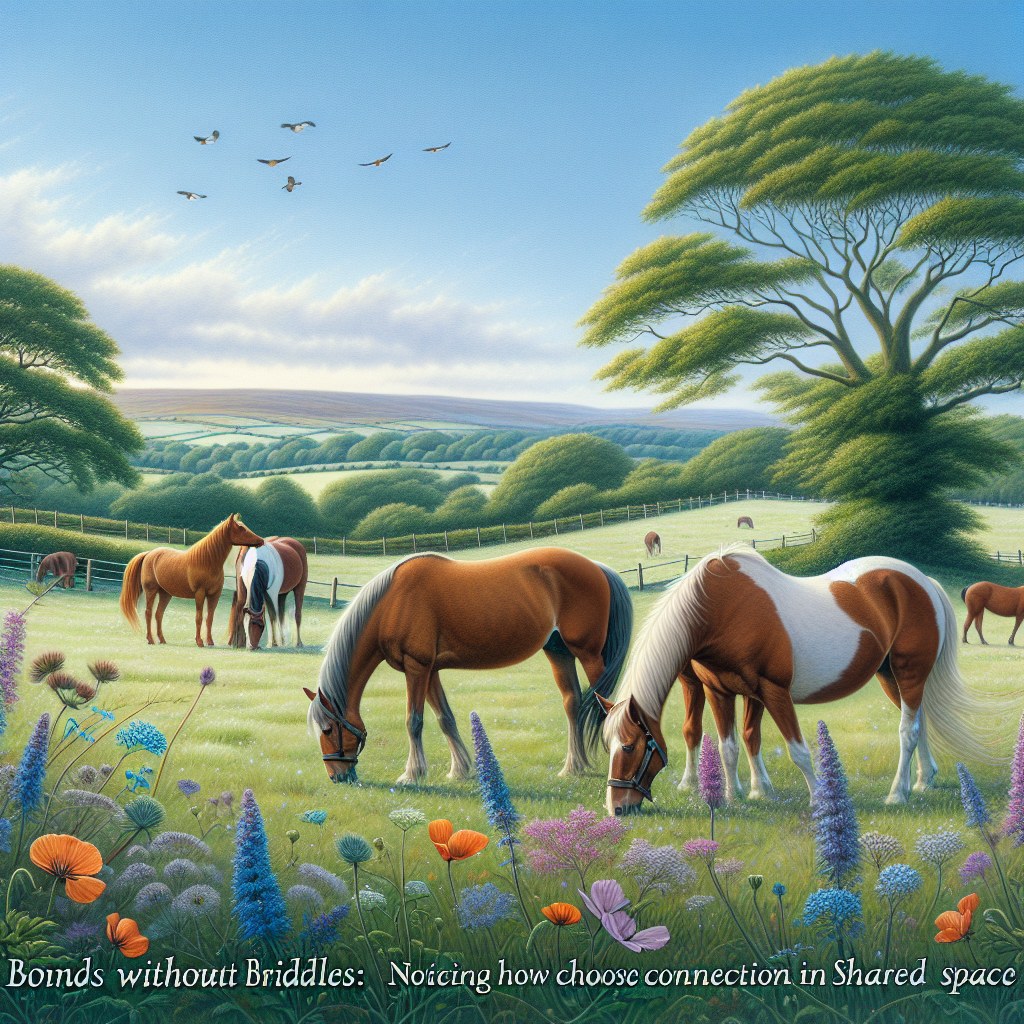
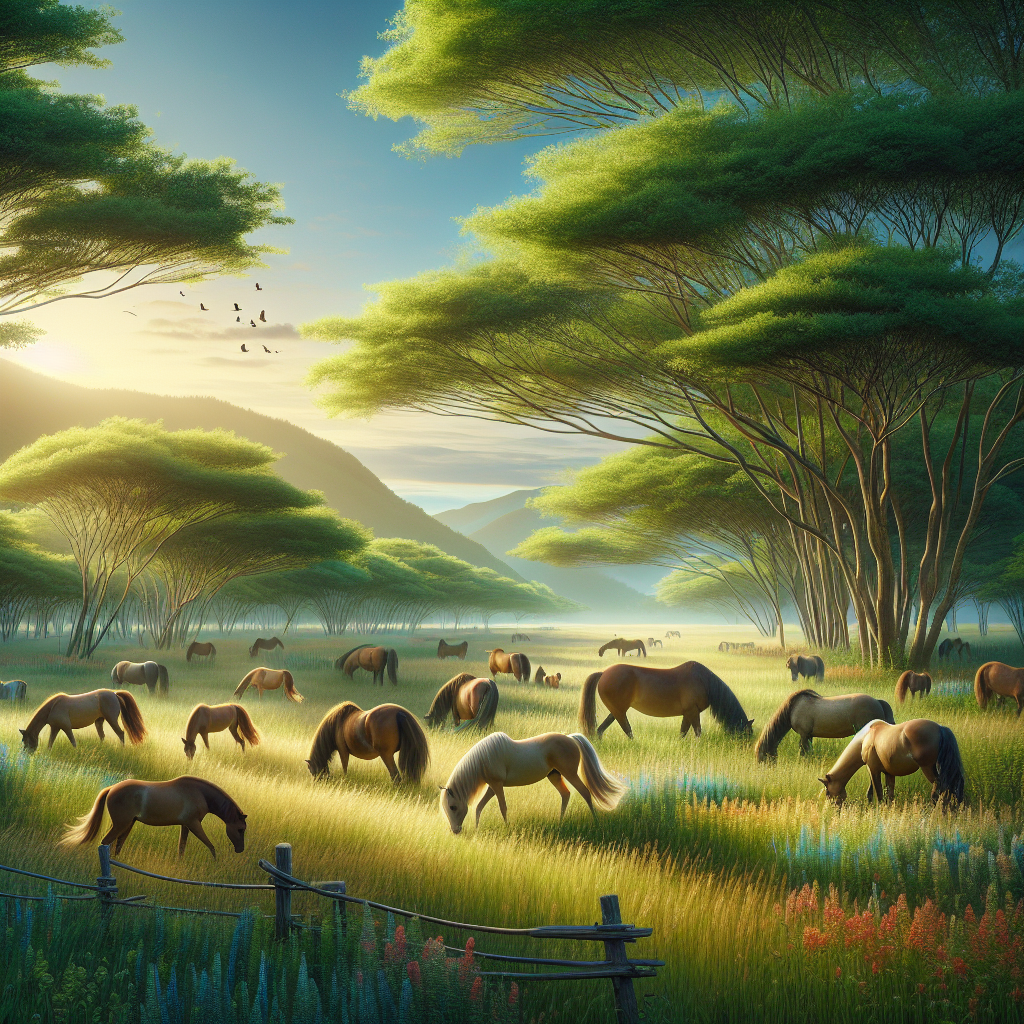
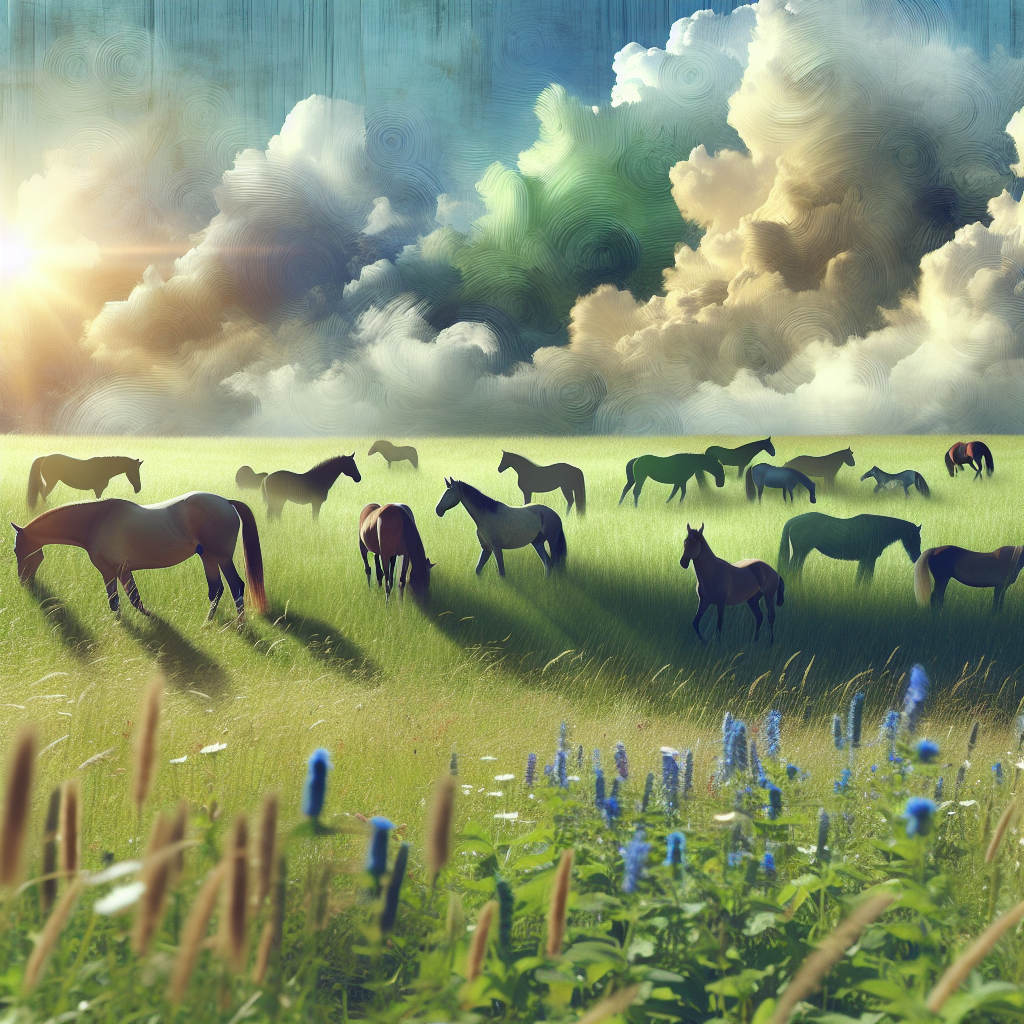
Stand near a herd long enough and you start to feel it: the "order" isn’t loud. It isn’t constant fighting. It’s quieter than that—more like a map made of bonds.
When humans step into horse space, we often bring a story about a simple hierarchy—one boss at the top, everyone else falling in line. But herds don’t always run on a single, permanent "alpha" script. Much of what looks like structure is built by relationships that reduce friction.
Basic concept: bonds are the invisible architecture
A stable herd isn’t primarily maintained by nonstop dominance displays. The visible calm is often the result of repeated, familiar relationships—who trusts whom, who tolerates whom, who chooses whom.
That’s why "dominance" doesn’t work well as a fixed personality label. It’s situational and relationship-based: who yields to whom around a specific resource, in a specific moment.
And "leadership" isn’t necessarily one permanent boss, either. Movement and decisions can be distributed across individuals depending on context.
Coexistence without riding or training: become a careful observer, not a controller
If you want to live alongside horses—without riding, without training—your most respectful tool is observation.
Here are field-friendly things to watch that reveal bonds in real time:
- Proximity patterns: who chooses to stand or rest near whom, again and again. Repeated pairing matters.
- Affiliative behaviors: mutual grooming, calm following, shared resting.
- Tolerance at resources: yielding, allowing access near hay or water, calm passing through narrow points.
- Low-level signals: ears, head turns, body angle, stepping aside—often the herd resolves tension without escalation.
Over time, these patterns show you who is connected, who avoids whom, and where the herd has built easy pathways through daily life.
A bond-based lens changes how we show up
There’s a practical kind of wisdom that comes from thousands of hours around horses: they mirror our internal state.
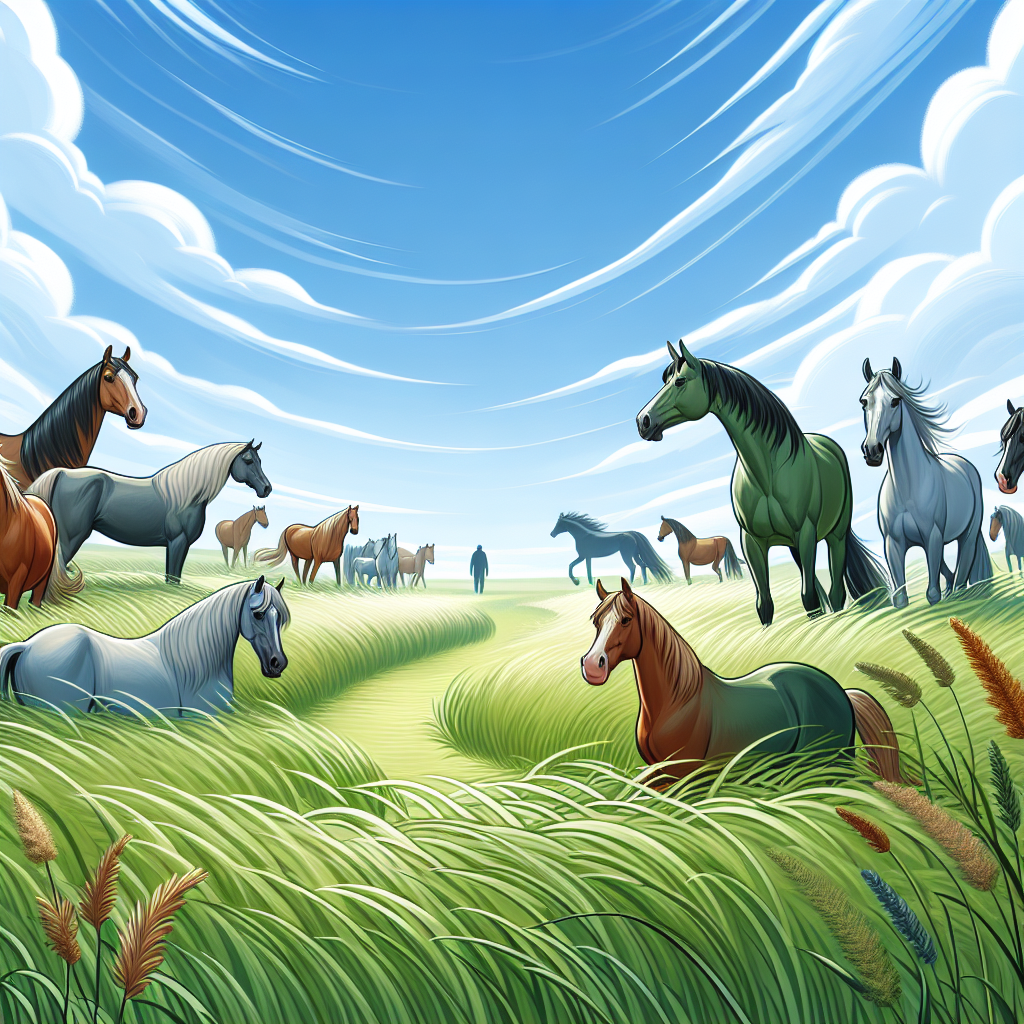
Walk in tense and agitated, and a horse may stay on the far side, watching cautiously. Stand quietly, soften your look, and invite—often the horse will approach and make contact.
This is where coexistence becomes real, even when you’re doing “nothing.” Horses are constantly reading us, and in calm moments something subtle can happen: synchronization. A shared tempo. A non-verbal conversation.
Let the bonds do the organizing
When humans force a simple hierarchy story onto horses, we can miss the real structure: bonds, tolerance, distance, and timing.
Coexisting well means noticing those bond-lines—and not shattering the herd’s quiet language by rushing to control. In many moments, the kindest thing we can do is watch closely, breathe, and allow the relationships already there to keep the peace.